Yellowstone National Park saw robust numbers compiled by the National Park Service for September 2023 visitation, successfully exceeding the volume of visits reported in both September 2022 and the pre-pandemic benchmark of September 2019.
According to data released by park officials, Yellowstone National Park hosted an impressive 838,458 recreation visits in September 2023. This performance highlights a dramatic 48 percent increase when compared to September 2022, during which the park recorded 567,587 recreational visits. Furthermore, the September 2023 figures represent a strong 21 percent increase over September 2019, which saw 693,118 recreation visits.

The comparison to 2019 holds particular significance for park administrators, researchers, and tourism analysts, as 2019 stands as the final full year of normal operations before the global COVID-19 pandemic triggered widespread closures and travel restrictions in 2020. In addition, visitation metrics from 2022 were heavily disrupted by catastrophic historic flooding and a subsequent partial park shutdown that occurred in June of that year, severely restricting visitor access during the peak of the summer tourism season.
Looking at the broader picture for the calendar year, the momentum has remained exceptionally high. So far in 2023, the park has hosted a cumulative total of 4,161,602 recreation visits. This year-to-date total marks a 38 percent increase compared to the same timeframe in 2022, when the park recorded 3,005,194 recreation visits. More importantly, the 2023 year-to-date numbers are up 9 percent from the 3,807,815 recreation visits recorded through September 2019. While park officials and local communities recognize that tourism patterns and operational dynamics may not be completely back to traditional normalcy across every sector of Yellowstone National Park, the 2023 visitation statistics are certainly encouraging for the regional economy, park concessionaires, and conservation funding structures tied to visitor fees.
The steady influx of travelers throughout the spring, summer, and early autumn months underscores the enduring global appeal of the world’s first national park. From its iconic geothermal features, including Old Faithful and the Grand Prismatic Spring, to its diverse and protected wildlife populations encompassing bison, grizzly bears, wolves, and elk, Yellowstone continues to draw millions of domestic and international travelers seeking outdoor recreation and wilderness experiences.
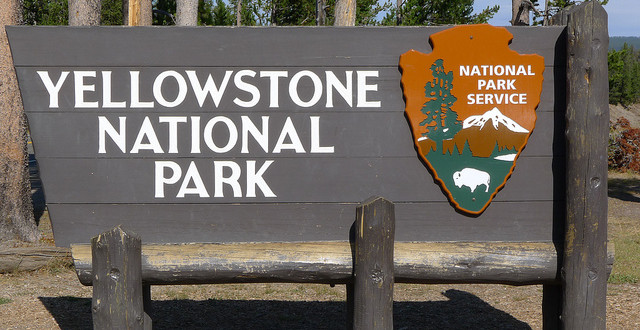
Park officials routinely monitor these visitor statistics not only to gauge public interest and tourism trends, but also to manage infrastructure, traffic flow, parking availability, waste management, and wildlife protection protocols. High visitation numbers require coordinated efforts among park rangers, maintenance crews, emergency services, and gateway communities located in Wyoming, Montana, and Idaho to ensure that the park’s delicate ecosystems remain safeguarded against the pressures of heavy human foot and vehicular traffic.
The contrast between the compromised seasons of recent years and the rebounding numbers of 2023 demonstrates the resilience of America’s national park system. While events like the 2020 closures and the 2022 river floods posed unprecedented operational hurdles, the rapid return of visitors once access was restored points to a deep public commitment to experiencing and preserving public lands.
For those interested in diving deeper into the granular details of park usage, comprehensive data sets, historical comparisons, and regional breakdowns on park visitation are publicly accessible on the official National Park Service Stats website, maintained by the Inventory and Monitoring Division. As Yellowstone transitions from the busy autumn shoulder season into the quieter, snow-covered winter months, park management will continue analyzing these metrics to prepare for future visitor seasons and resource management strategies.