Three years ago, Cambodia made a definitive and controversial stand against the global clean energy transition by doubling down on fossil fuels. In the face of mounting anxiety and direct appeals from foreign embassies and international corporations concerned about the long-term viability of coal, the Cambodian government defended its heavy-industry trajectory. Officials offered a definitive promise: plans to develop three new coal-fired power plants would represent the Kingdom’s final foray into coal-fuelled electricity generation before pivoting entirely toward sustainable alternatives.
Yet, despite that resolute political commitment made in 2020, the landscape of global energy production has shifted dramatically. Volatile international markets, severe supply chain disruptions, and soaring fuel prices have continued to rock the industry, causing widespread financial instability. Even though these specific Cambodian projects successfully weathered a critical wave of policy decisions from Beijing that cut off overseas funding for coal developments, the reality on the ground tells a story of profound stagnation. Today, the three planned power plants in Koh Kong and Oddar Meanchey remain trapped in varying stages of inertia, plagued by long-term construction delays and administrative bottlenecks. Meanwhile, in Sihanoukville, the continuous operations of active coal complexes are drawing intense scrutiny and growing anxiety from local residents worried about their health and livelihoods.
To capture the true scope of this high-stakes energy bet, a reporting team from the Southeast Asia Globe traveled extensively across each of these critical locations. Over the course of the investigation, journalists captured more than 4,300 images and spoke directly with 35 individuals whose lives intersect with the projects. The conversations spanned concerned community residents, struggling local fisherfolk, industrial plant workers, municipal officials, and independent energy experts. Their accounts reveal a complex mosaic of developmental ambition, economic necessity, and environmental apprehension as Cambodia attempts to finalize its chapter on fossil fuels.
Oddar Meanchey Province
In the northern reaches of Oddar Meanchey province, the Han Seng project was originally designed as a 265-megawatt facility intended to bolster the regional power grid. However, the semi-built project missed its mandated deadline to go online, leaving massive concrete structures and industrial machinery sitting idle. Financial pressures and falling revenues for the initial Chinese corporate entities supervising the development ultimately forced a major pivot. Management of the project shifted to new contractors, who have indicated a dual strategy: they remain committed to completing the coal-fired infrastructure while simultaneously integrating solar energy production into the broader footprint of the same power facility.
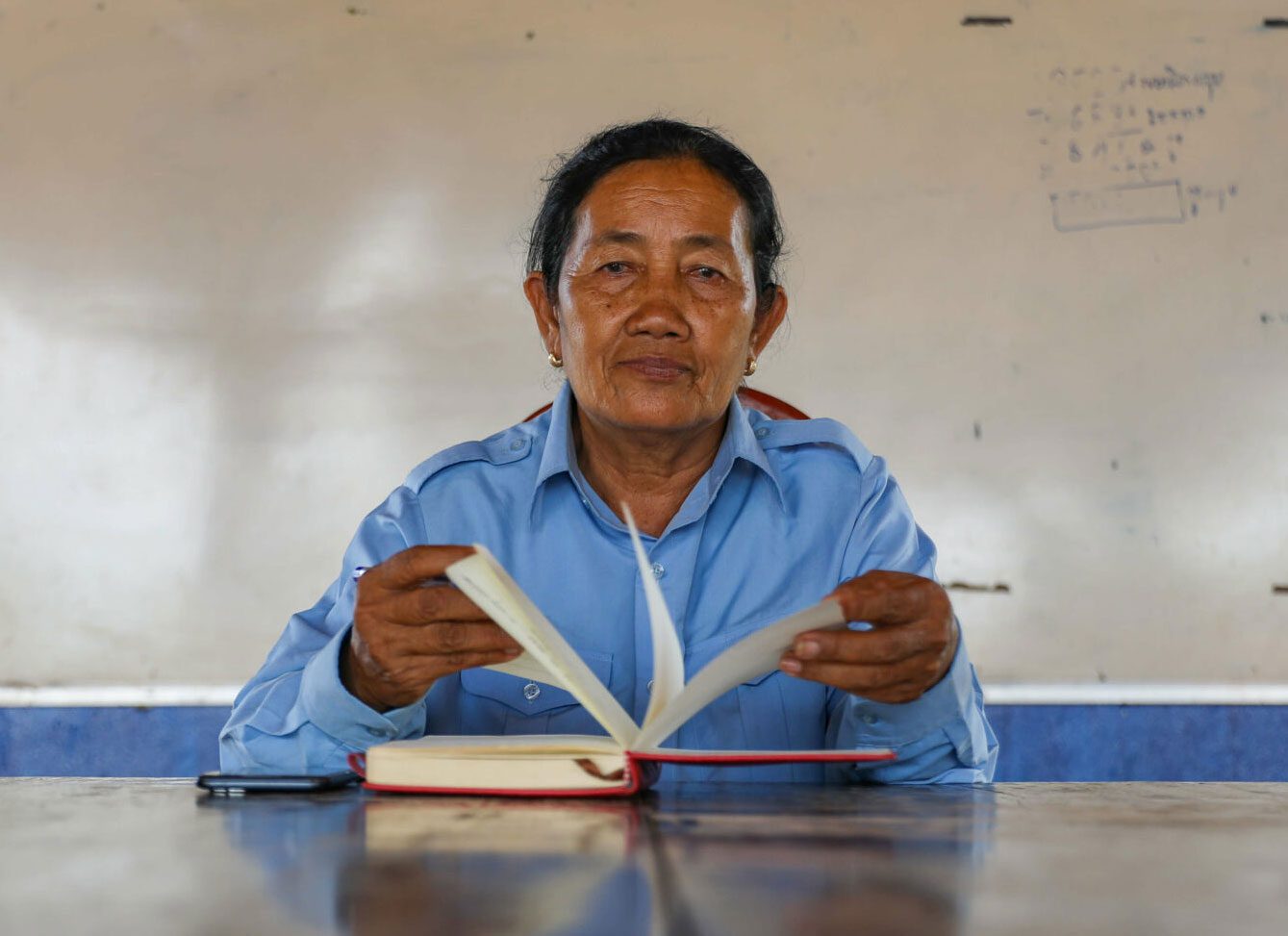
Despite the corporate restructuring, the community surrounding the site remains caught in a state of suspended animation. Local leaders grapple with conflicting priorities as they watch the dormant project occupy vast tracts of land. Chrek Pechneng, who proudly identifies as the only female commune chief in Oddar Meanchey, articulated the deep ambivalence felt by many local administrators. She noted that while she deeply desires reliable electricity to be accessible to every household in her community, she harbours profound reservations regarding the potential health risks that heavy industrial activity could pose to workers and local villagers alike.
For ordinary residents in Oddar Meanchey, the prolonged silence surrounding the facility is a source of continuous frustration. The Han Seng power plant has remained dormant for more than a year, according to local accounts and municipal officials, with no clear public explanation provided for the prolonged standstill and no firm calendar established for when full-scale construction activities might finally resume.

Koh Kong Province
Further south along the coast in Koh Kong province, the developmental trajectory of a massive fossil fuel project paints an equally stalled picture. The Royal Group of Cambodia, a prominent domestic conglomerate, was granted a massive mandate to construct a 700-megawatt power plant scheduled to come online within the year. Yet, despite the aggressive timelines established in initial governmental agreements, the conglomerate has yet to break ground on the actual power generation facility.
Even in the absence of active construction on the designated energy site, the local footprint of the project has generated significant social friction. Former residents of the area continue to voice deep grievances, alleging unfair compensation deals, opaque negotiations, and heavy-handed evictions that displaced traditional communities to make way for the industrial concession.
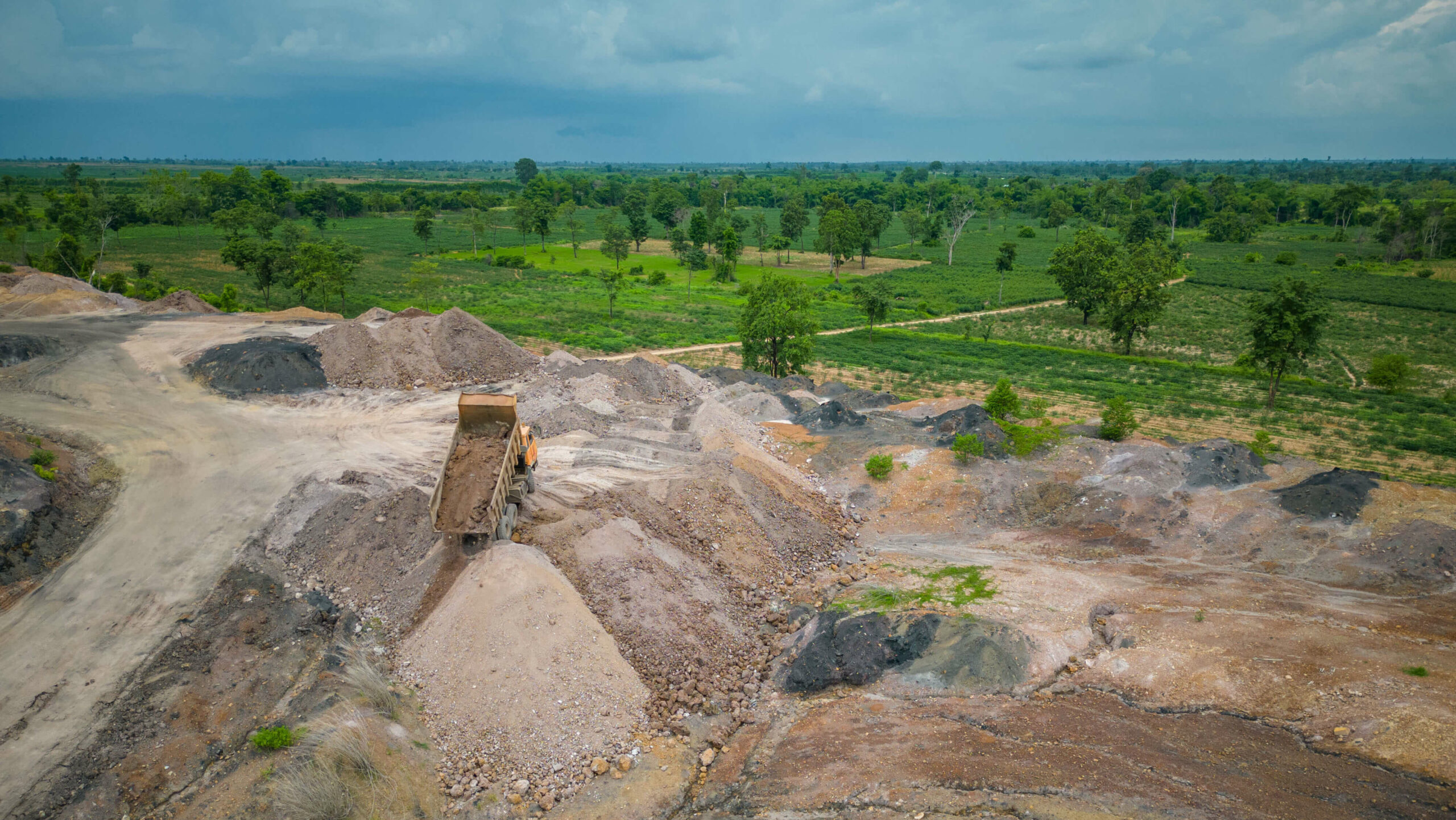
An aerial and ground overview of the region highlights a stark contrast in how the allocated land concessions have been managed. While the initial plot granted for the coal power plant has seen little to no industrial activity or structural development, a second concession handed to the exact same conglomerate within the boundaries of a protected national park tells a very different story. That second tract of land is steadily being cleared, raising separate environmental alarms among conservationists and local stakeholders who watch valuable natural habitats disappear while the promised energy infrastructure remains unbuilt.
Sihanoukville Province
On the bustling industrial coastline of Sihanoukville province, the energy reality is defined less by delay and more by the intense concentration of active heavy industry. The Cambodia International Investment Development Group (CIIDG) has been advancing a new 700-megawatt coal project that physically shares a direct access road with the already operational 250-megawatt Cambodian Energy Limited (CEL) power plant complex in the Steung Hav district.
The heavy concentration of industrial facilities in such close proximity has heightened anxieties among the local population. Residents living in Steung Hav openly express deep fears regarding the cumulative environmental and public health effects that these two massive coal sites will exert on their daily lives, air quality, and local marine ecosystems. Fishing communities, whose livelihoods depend on the health of coastal waters, report mounting pressures as industrial shipping and dock operations expand.
Despite the heavy industrial presence, the local ecosystem continues to display fragile signs of wildlife resilience. In a striking visual juxtaposition captured during the reporting process, an Indo-Pacific humpback dolphin was documented surfacing for air directly alongside the coal loading docks that supply the fuel demands of the two operational power plants in the Steung Hav district. This delicate encounter between vulnerable marine life and heavy fossil fuel infrastructure underscores the complex ecological stakes at play as Cambodia navigates its complicated energy future.

Contributed reporting was provided by Andrew Haffner and Sophanna Lay. A Khmer-language version of this reporting was translated by Sophanna Lay and Nasa Dip. This reporting project was supported by a News Reporting Pitch Initiative grant from the Konrad-Adenauer-Stiftung Foundation in Cambodia.