In 2023, federal investigators in the United States served a sweeping subpoena on a major American pharmaceutical research firm following revelations concerning exotic monkey shipments tied to an alleged international primate smuggling ring originating in Cambodia.
Charles River Laboratories, a prominent name in the biomedical research industry, quickly responded by announcing it would fully cooperate with the U.S. Department of Justice. As part of its immediate risk-management strategy, the company suspended imports of non-human primates destined for its U.S. laboratories from Cambodian suppliers.
However, even as one critical route for the drug-testing monkeys was abruptly shut down south of the border, another opened wider to the north: a direct pipeline from Cambodia to Charles River’s sprawling laboratories in Quebec, Canada.
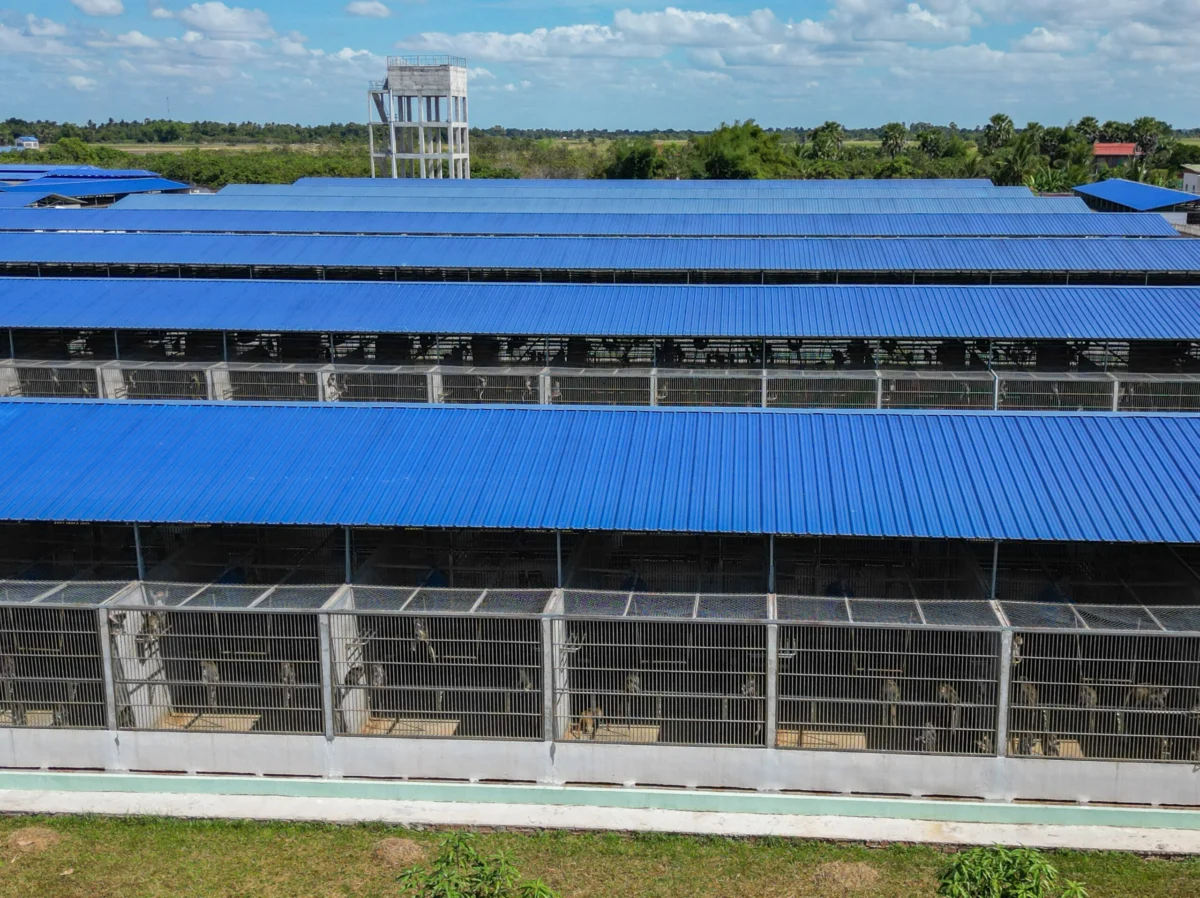
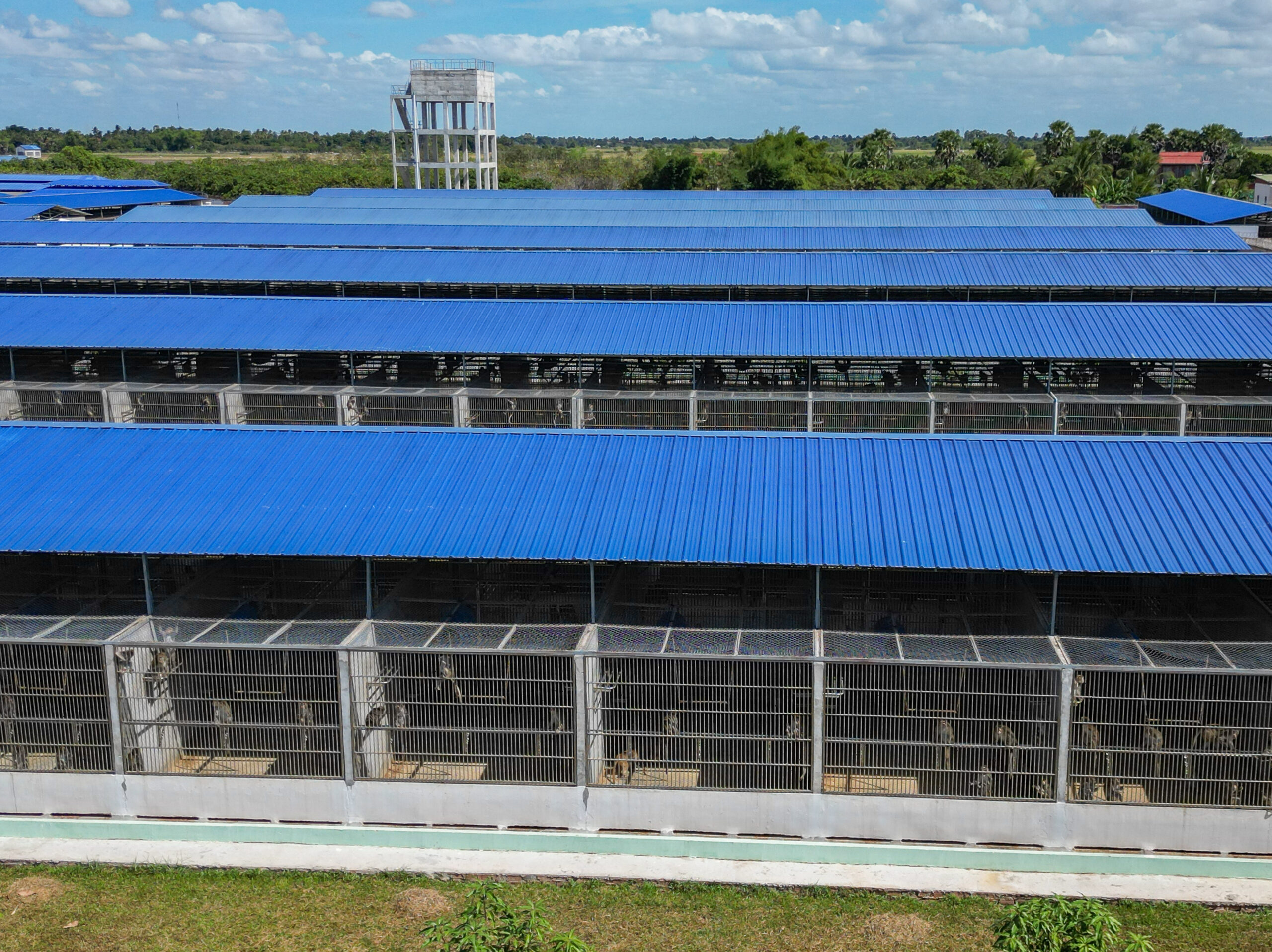
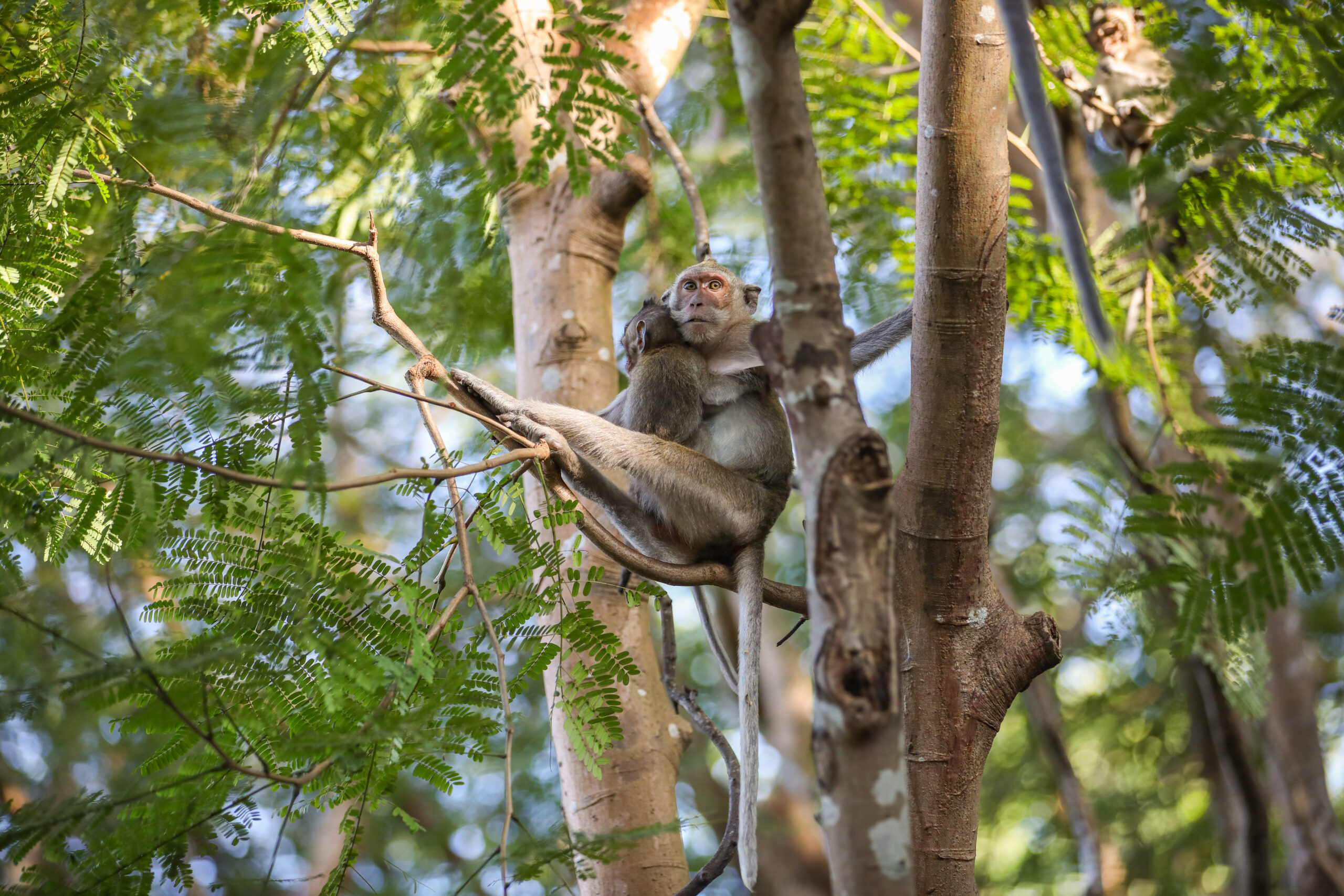
From massive caged enclosures nestled in agricultural provinces near Phnom Penh, long-tailed macaques are now being imported into Canada for human drug-testing development in unprecedented numbers, a joint investigative report by the Southeast Asia Globe, the Pulitzer Center, and the Toronto Star has revealed.
Federal trade data indicates that since Charles River’s announcement in February 2023 to halt primate imports into the United States, the total financial value of Canadian imports of these endangered animals has spiked nearly sixfold, reaching roughly $62 million USD. Within the Canadian market, Charles River stands alone as the sole registered importer of long-tailed macaques from Cambodia.
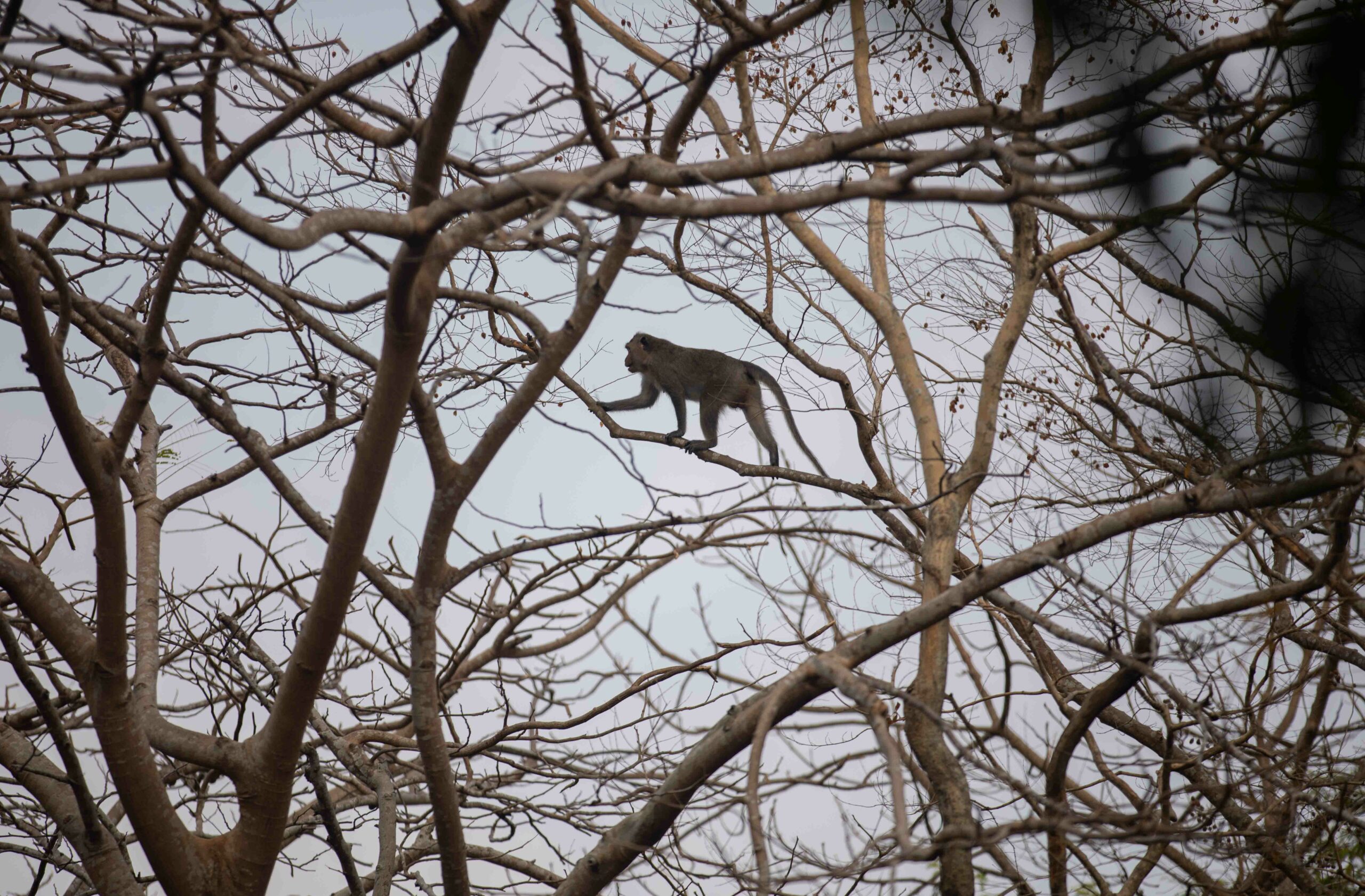
This dramatic import surge has ignited intense scrutiny and concern among veterinarians, conservationists, and animal welfare advocates. Critics warn that Canada may have inadvertently inherited a tainted supply chain that potentially channels wild, legally protected long-tailed macaques—animals that conservation specialists note may harbor dangerous and unmonitored pathogens.
“While they’re doing the right thing in the U.S., they’re doing the wrong thing in Canada,” said Dr. Nicholas Dodman, a distinguished veterinary medicine expert and professor emeritus at Tufts Veterinary School in Boston. “It’s a kind of back door. They can still do their research, just not in the United States.”
In an official statement, a spokesperson for Charles River maintained that the corporation strictly complies with all applicable Canadian regulations. The company asserted that by rigorously abiding by established protocols, it has ensured that “no members of the public have been exposed to any health or safety risks from our facilities.”
Furthermore, the company emphasized that its Canadian operations form an integral part of its expansive global network, which encompasses state-of-the-art facilities across more than 20 countries. During a conference call with investors convened shortly after the U.S. subpoena was issued, Charles River’s Chief Executive Officer explained that the corporation rapidly pivoted its primate logistics toward countries featuring “friendly governments” that are actively “working with us.”
Poached Macaques Allegedly Smuggled Into the United States
Despite these corporate assurances, independent experts and animal rights activists continue to question whether regulatory authorities in Canada have exercised adequate due diligence when vetting these high-volume imports.
Canadian trade and environmental regulators point to a multi-layered system of quality control checks designed to ensure the legal and proper importation of laboratory primates. Yet, a crucial stage of regulatory oversight heavily relies on documentation and vetting originating in the exporting countries themselves—including permits authorized by two senior Cambodian government officials who were formally indicted as part of the very same U.S. federal investigation that thrust Charles River into an international regulatory scandal and sent its stock market valuation tumbling.
It is important to note that Charles River is not facing criminal charges and has only been subjected to a federal subpoena.
The small, docile test subjects are integral to Charles River’s diverse biomedical portfolio, which has historically included critical research for the development of a COVID-19 vaccine, as well as treatments for cancer, diabetes, and various rare genetic diseases. Under established international protocols and conventions, animals utilized in such sensitive laboratory research are legally required to be bred in captivity rather than captured from native habitats.
However, the landmark 2022 federal indictment alleged that thousands of monkeys imported into the U.S. were actually wild macaques that had been illegally poached from forests and systematically laundered through the legal trade networks of captive-bred populations. U.S. federal officials harbor strong suspicions that approximately 2,600 wild macaques successfully entered the United States on fraudulent permits dating back to 2018.
Compounding these ethical and ecological concerns, the conservation status of long-tailed macaques on the International Union for Conservation of Nature (IUCN) Red List of Threatened Species was upgraded to “endangered” the same year the federal indictment was handed down. The accompanying species threat report explicitly singled out “biological resource use” as a primary driver behind the rapid population decline of macaques in the wild.
Andrew Knight, a professor of animal welfare and veterinary science at Australia’s Griffith University, explained that there are fundamental scientific and ethical justifications for strictly prohibiting the capture of laboratory animals from the wild.
“Scientifically, their genetic composition, and their health or disease status, may be unknown or variable, which can make experimental results less reliable,” Knight noted. “Additionally, there are major animal welfare concerns when primates are captured from the wild, or transported from breeding centres close to wild populations.”
Human Health and Animal Welfare Concerns
Critics argue that Canadian regulators ought to pay much closer attention to the ongoing importation of macaques, citing not only the troubling legal findings uncovered by U.S. investigators but also the distinct biological risk that Cambodian monkeys could introduce foreign pathogens into North America.
Lisa Jones-Engel, a senior science advisor with the prominent U.S.-based animal advocacy organization People for the Ethical Treatment of Animals (PETA), criticized the Canadian government’s regulatory posture.
“Charles River went just to the north to Canada and not only did they not shut it down, but it appears they threw the borders wide open, rolled out the red carpet,” Jones-Engel said. She added that Canadian officials are seemingly ignoring the reality that monkeys exported from Cambodia have historically harbored pathogens representing severe zoonotic risks, which concurrently undermine and confound the scientific validity of using these animals in complex biomedical experimentation.
In May, Jones-Engel formally addressed a letter to regulatory officials in Ottawa, warning that the international primate trade is characterized by the “highest risk of zoonotic disease transmission” and suggesting that Canadian residents may ultimately bear the health costs of the industry’s hazardous practices. In interviews, she further cautioned that the lingering possibility of wild-caught monkeys infiltrating the regulated supply chain means the industry is statistically more likely to catalyze a future pandemic than to prevent one.
Recent scientific literature underscores these biological anxieties. A case study published by U.S. researchers directly tied a documented case of melioidosis—a severe and potentially fatal infectious disease capable of affecting both humans and animals—to a Cambodian macaque imported into the United States in January 2021. Representatives for Charles River explicitly noted that this particular animal was not imported by their company.
In its public communications, Charles River stated that it deeply respects the personal views of individuals and groups who fundamentally oppose the use of animals in human drug testing. Nevertheless, the company maintained that any fair and factual evaluation of its operations would conclude that its dedication to human health and animal welfare remains paramount.
While Charles River did not directly address media inquiries regarding whether wild-caught monkeys could have inadvertently infiltrated its Canadian supply chain, historical regulatory disclosures provide context. In a 2020 annual filing submitted to the U.S. Securities and Exchange Commission, Charles River explicitly acknowledged that “we may produce or import animals carrying infectious agents capable of causing disease in humans,” which inherently presents a “possible risk of human exposure and infection.”
To mitigate these recognized biological hazards, the company emphasizes that its standard operating procedures mandate a strict 30-day quarantine period for all imported primates, alongside mandatory disease testing protocols closely monitored by Canadian federal agencies.
Canadian regulatory officials have echoed these assurances, maintaining that government oversight closely monitors incoming primates to guarantee public safety.
Veterinary medicine expert Dr. Nicholas Dodman remains deeply skeptical of these safety margins. “Grabbing a monkey out of a tree and shipping them to a lab, you’re asking for a health crisis,” he warned. “However many precautions they take, they can make mistakes and who knows the incubation time on some of these diseases?”
Oversight Relies on Permits Issued in Cambodia
In Canada, the federal responsibility for monitoring the importation of animals destined for research laboratories falls to Environment and Climate Change Canada (ECCC). To execute this mandate, the Canadian government relies heavily upon the framework of the Convention on International Trade in Endangered Species of Wild Fauna and Flora (CITES), a specialized international treaty administered by the United Nations designed to vet animal origins and prevent detrimental impacts on wild populations.
Officials in Ottawa have explained that their primary verification mechanism involves ensuring that incoming primates possess legitimate CITES permits issued by authorities in the country of origin.
However, the integrity of this verification process has been severely challenged by the U.S. federal indictments. Masphal Kry and Omaliss Keo, the two high-ranking Cambodian government officials indicted by the U.S. Department of Justice, hold leadership positions within the CITES Management Authority in Cambodia—the very agency responsible for issuing the export permits upon which Canadian officials depend.
Kry was arrested by U.S. law enforcement in November 2022 while traveling to Panama to attend an international convention on endangered species. Following a legal trial, he was found not guilty of smuggling and conspiracy charges on March 22. His defense counsel did not respond to requests for comment regarding the verdict.
Despite facing active U.S. indictments, Keo remains listed as the CITES chairman for terrestrial forest and wildlife resources within the Cambodian government. When contacted by journalists, Keo declined to answer specific procedural questions, offering instead a brief written acknowledgment thanking reporters for seeking clarification and stating his intention to respond at a later date.
Following Kry’s acquittal and return to Phnom Penh, the Cambodian Ministry of Agriculture, Forestry and Fisheries issued a strongly worded public statement defending its trade practices. The ministry asserted that the U.S. legal action was based on improper investigations that deliberately concealed evidence from Cambodian authorities and violated standard cross-border law enforcement norms.
The official statement further claimed that allegations concerning the illegal commercial trade of long-tailed macaques lacked credible evidence, arguing they relied instead on unfounded assertions disseminated by specific activists and non-governmental organizations through unprofessional local outlets and Western mainstream media designed to discredit Cambodian officials and influence judicial outcomes.
Other defendants named in the U.S. indictments include six corporate officials affiliated with Vanny Bio-Research, a major commercial exporter of long-tailed macaques bred for research applications. Representatives for Vanny Bio-Research issued a brief statement formally denying any corporate wrongdoing.
Sarah Kite, co-founder of the international advocacy organization Action for Primates, argued that the sweeping allegations brought forward by U.S. prosecutors carry profound implications for the global biomedical industry. She stated that the findings raise severe questions regarding how widespread the alleged smuggling network was—and potentially continues to be—within Cambodia.
“By continuing to allow the importation of long-tailed macaques from Cambodia, Canada may be contributing substantially to the cruelty of trapping, and the decimation of the species in the wild,” Kite said.
Monkey Shipments Pivoted to Friendly Nations
While the United States government has not formally instituted a blanket federal ban on the importation of Cambodian primates, heavily redacted administrative correspondence from the U.S. Fish and Wildlife Service indicates that at least two official re-export requests concerning live long-tailed macaques and associated biological specimens have been formally denied in the wake of the federal indictments.
Pierre Verreault, executive director of the Canadian Council on Animal Care—the national body tasked with inspecting Charles River facilities and other Canadian laboratories to ensure compliance with animal welfare standards—acknowledged that the ongoing U.S. federal probe represents a critical mechanism for evaluating supply chain integrity. “Hopefully, if there’s something wrong there, it will stop,” Verreault remarked.
Meanwhile, corporate leadership at Charles River has maintained that the redirection of macaque import logistics away from the U.S. market has caused no significant disruption to overarching business operations. Speaking during a September investor conference call, CEO James Foster addressed the fallout from the federal investigation.
While acknowledging that the federal indictment “was very concerning,” Foster highlighted the advantages of the company’s expansive international footprint, noting the presence of sophisticated facilities across multiple jurisdictions.
“We have friendly governments working with us,” Foster told investors. “We’re not going to pivot back to the U.S. The preponderance will be done elsewhere.”
In addition to regulatory scrutiny, Charles River is currently defending itself against a separate class-action lawsuit filed by company shareholders. The civil complaint alleges that corporate executives made materially false and misleading statements to the investing public by failing to disclose that the firm had engaged in illegal activities regarding the importation of non-human primates, including an over-reliance on non-preferred suppliers operating within Cambodia.
Plaintiffs in the class-action lawsuit argue that as a direct consequence of the precipitous decline in market capitalization following the public revelation of the federal subpoena, shareholders have suffered substantial financial losses and damages.
Charles River has formally asked the presiding court to dismiss the civil litigation. In written court filings responding to the allegations, the company denied issuing any false or misleading statements, arguing that its public disclosures consistently warned investors about the inherent risks of supply chain interruptions and the potential operational necessity of relying on alternative vendors.
“Charles River expressly warned investors about the risk of disruption to its supply of macaques and about the possibility that its operations may not comply with laws, including laws governing the importation of macaques,” the corporate legal filing stated. “Charles River’s warning that it might be required to source products from ‘non-preferred’ vendors demonstrates that the company was being transparent, not attempting to mislead the market.”