In the 120 years since Rolls-Royce was originally founded, the company has navigated numerous industrial eras and cemented its status as one of the most recognizable and enduring names in both aerospace and industrial engineering. Yet, that prestigious legacy was put in severe jeopardy due to deep technical setbacks surrounding the engine designed for Boeing’s clean-sheet 787 Dreamliner widebody. The industrial crisis that followed forced a major strategic consolidation of the British aerospace giant, profoundly reshaping how it approaches aircraft engine development.
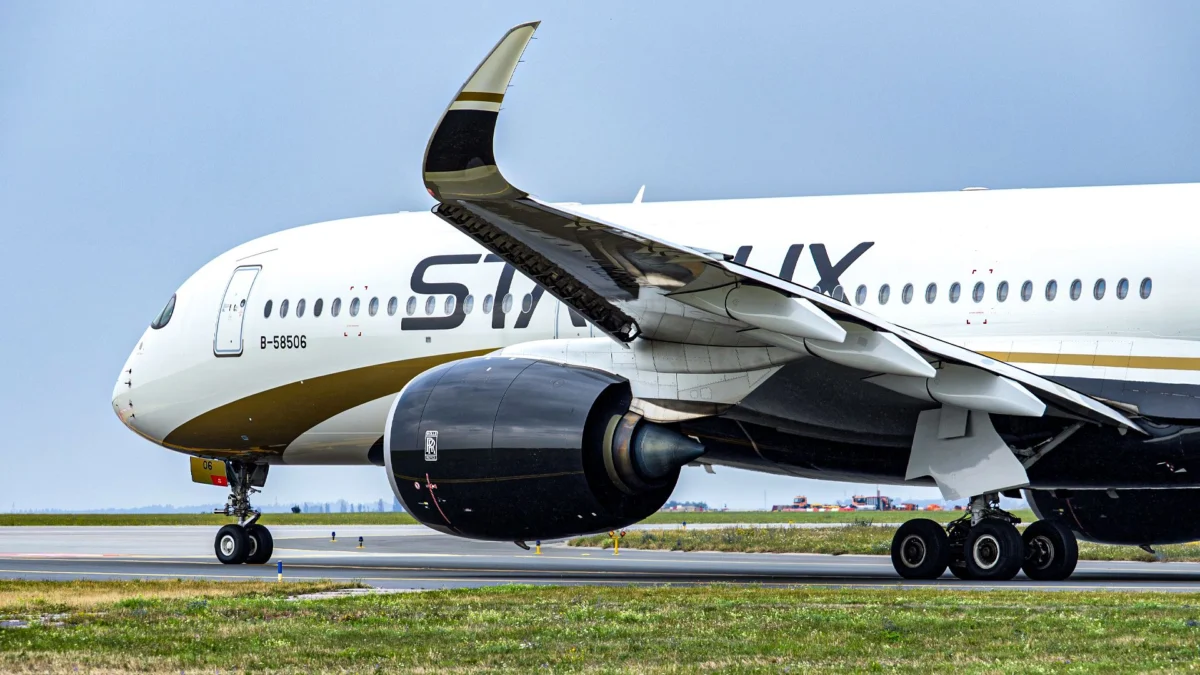
During the 2010s, global operators of Trent 1000-powered Dreamliners began discovering premature wear, cracking, and corrosion-related fatigue across critical engine components. In the years that followed, Rolls-Royce sacrificed more than two-thirds of the global 787 engine market to rival manufacturer General Electric. However, Airbus provided a vital lifeline to the struggling engine maker by championing a single-engine model and collaborating with Rolls-Royce to make its powerplants the exclusive equipment on the A330neo and A350 XWB twin-aisle jets.
Securing monopolies on Airbus’s primary widebody programs gave Rolls-Royce the necessary funds to reinvest in a comprehensive engineering program designed to fix the troubled Trent 1000 engine on the Dreamliner. The newly introduced Trent 1000 XE standard integrates advanced blade-cooling techniques and materials refined on Airbus’s stable lines. By applying the valuable lessons learned from its exclusive Airbus partnerships and the 1000 XE development, Rolls-Royce is now positioning the innovative UltraFan architecture as a primary contender for a reentry into the next generation of narrowbodies currently in development for launch in the mid-2030s.
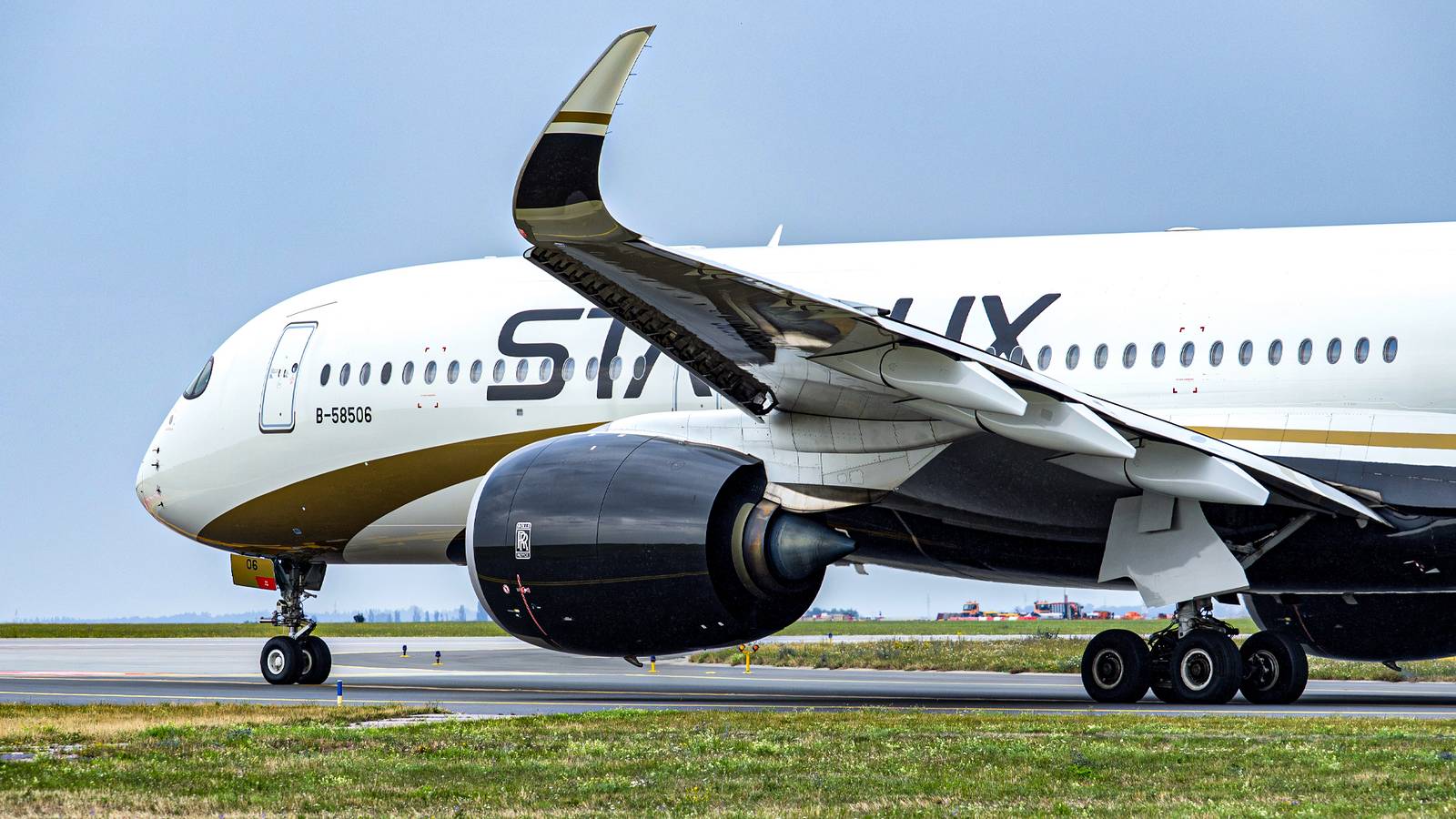
Looking back to when Rolls-Royce was still fighting for shared wingspace, the landscape is best exemplified by the Boeing 777 program in the 1990s, which closely followed the A330’s market launch in 1987. Rolls-Royce poured massive funding into developing the Trent 800, which went head-to-head with the GE90 and Pratt & Whitney PW400 powerplants for the popular "triple seven." In the meantime, Airbus initially launched its A330 engine options exclusively from General Electric and Pratt & Whitney, leaving Rolls-Royce out of the initial phase.
Rolls-Royce entered the A330 race much later, introducing its new Trent 700 engine into service with launch customer Cathay Pacific in 1995. This late arrival forced the manufacturer to fight for customers airline by airline in a fiercely contested market. Because the GE90 ultimately became the most popular engine on several Boeing 777 variants, the early investment by Rolls-Royce yielded a relatively poor return for a company that had sacrificed the opportunity to enter the A330 market earlier in order to directly compete with Boeing operators.
Despite this initial strategic disadvantage, Rolls-Royce’s aggressive sales campaign steadily clawed back customers over the ensuing years. By 1999, the Trent 700 had won nearly 40% of all A330 engine orders, eventually climbing to claim about 60% of the market. The Trent 700 successfully transformed from a latecomer into the most popular engine choice on the entire aircraft family, helping form the crucial foundation for the next generation of powerplants that would follow.
How The 787 Turned Competition Into A Liability

Much to the dismay of Rolls-Royce and its airline customers, the Trent 1000 would prove to be a remarkably problematic successor to the venerable Trent 700. Maintenance workers at All Nippon Airways discovered early corrosion and fatigue cracks on Trent 1000 engine blades during routine 787 maintenance inspections. This mechanical crisis directly threatened long-distance flights operating over vast oceans and remote, inhospitable areas where immediate diversion options are limited.
Global aviation safety rules dictate that if one engine shuts down over water, the remaining operational engine must possess enough thrust and reliability to carry the airliner safely to an alternate airport. The Federal Aviation Administration and international regulatory authorities grew increasingly worried that a long diversion flight would structurally overstress a cracked engine component. Consequently, they sharply reduced the maximum distance these airplanes could fly away from a suitable diversion airport. This strict operational rule immediately blocked affected Dreamliners from flying their normal, highly profitable routes across the ocean.
Airlines paid a massive financial price for these mandated safety groundings. Major carriers including British Airways, All Nippon Airways, and Air New Zealand were forced to park significant portions of their active Boeing 787 fleets for emergency engine replacements and inspections. Rolls-Royce faced billions of dollars in repair bills, compensation claims, and a severe blow to its global reputation. Meanwhile, competing airlines watched the crisis unfold and quickly changed their buying habits. General Electric offered a rival engine with no record of cracked blades, and it rapidly dominated subsequent sales books.
What Disappointed Airlines Did Next

The stark contrast between the legendary Trent 700 and its troubled successor, the Trent 1000, represents one of the most tumultuous chapters in modern aviation history, forcing a massive, top-to-bottom corporate consolidation of Rolls-Royce. Official Boeing delivery numbers show that out of 5,694 total orders for the 787 program, 2,014 jets specify GE engines while only 556 choose Rolls-Royce powerplants. This colossal market imbalance devastated the company and forced a radical retrenchment into Airbus sole-source partnerships to secure its long-term survival.
The financial bleed from the Dreamliner crisis was unsustainable, but the Rolls-Royce Trent 700 remained an undisputed industrial triumph. Boasting a 99.9% dispatch reliability rate, it became the gold standard for widebody propulsion and single-handedly funded Rolls-Royce’s aerospace expansion for over two decades. To get back on track financially, Rolls-Royce structurally hedged its entire civil aerospace business by reinvesting heavily in its single-engine series with Airbus.
When Airbus launched the A330neo, Rolls-Royce doubled down on this strategy, securing absolute exclusivity with the Trent 7000. Because Airbus guaranteed a 100% market share on these platforms, Rolls-Royce received a highly predictable influx of cash through its locked-in TotalCare service agreements. This Airbus-funded sanctuary did more than just stabilize the corporate balance sheet; it provided the crucial opportunity to rehabilitate the Dreamliner powerplants with a fresh infusion of funding and the application of proven technology derived directly from the Trent 7000.
Rolls-Royce engineers took the advanced, highly resilient high-pressure turbine blade cooling architecture developed for the exclusive Airbus Trent 7000 and backported it directly into the active Dreamliner fleet via the Trent 1000 XE upgrade package. At the same time, Rolls-Royce was also awarded the exclusive contract to provide advanced turbofans for the clean-sheet A350 Extra Wide Body that Airbus was rolling out to directly compete with the Boeing 787.
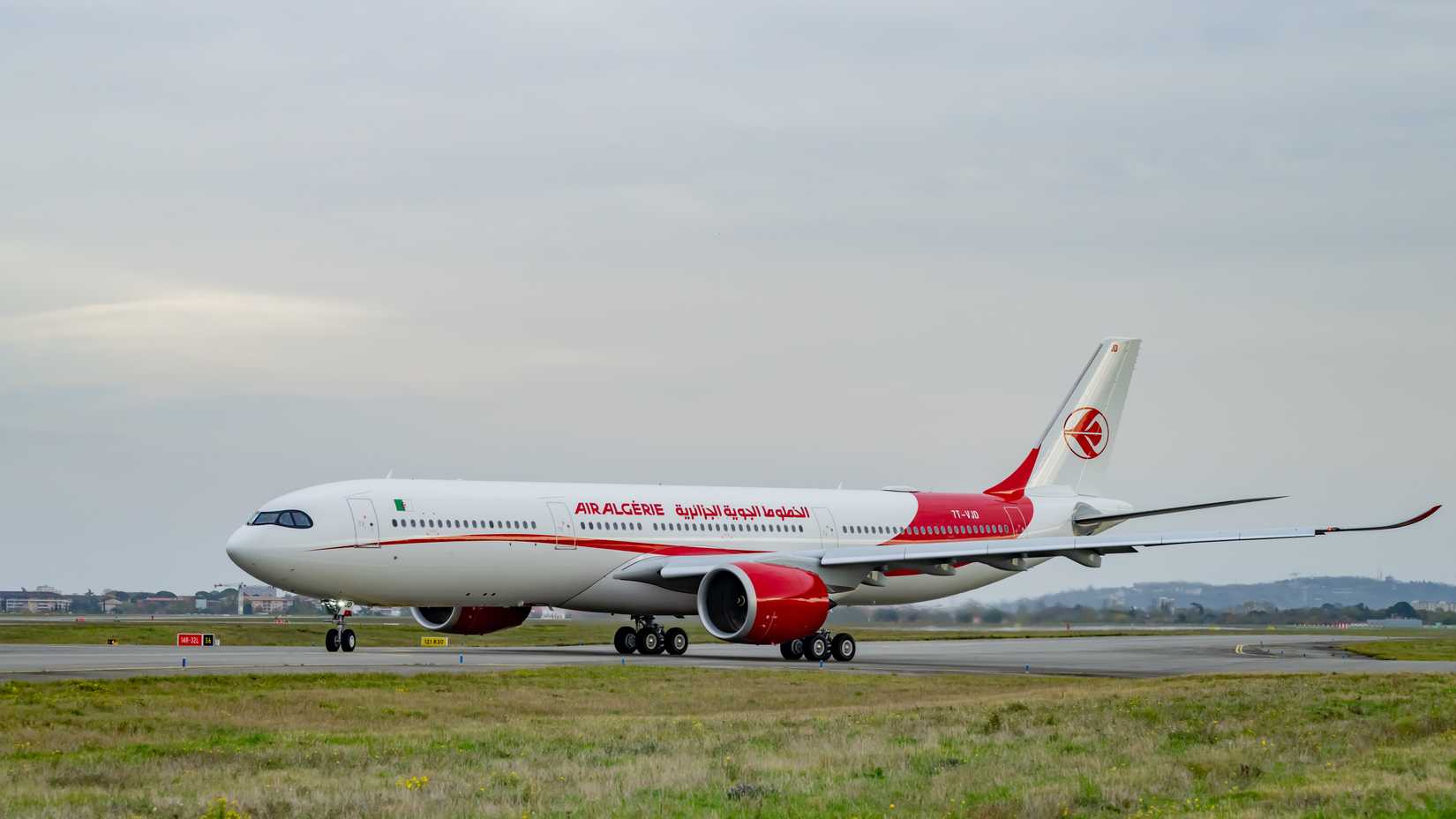
How The A350 Became A One-Engine Airplane
When the 787 debuted in 2004, Airbus initially misjudged the shifting market and proposed a rushed, minor upgrade to the older A330. By the time Airbus unveiled the clean-sheet, composite A350 XWB in 2006, it was already years behind Boeing in the next-generation widebody race. To catch up, Airbus desperately needed powerful engines to support a larger, heavier aircraft variant: the A350-1000. This flagship model directly targeted the high-capacity market previously dominated by the Boeing 777-300ER.
General Electric determined that its existing GEnx engine could not safely grow to power the largest versions of the new widebody plane without undertaking an expensive and complex redesign. Existing business friction with Boeing also locked in this single-supplier setup. The massive new A350-1000 airplane directly targeted the market segment of the Boeing 777-300ER, as the 787 series had already secured the majority of the smaller widebody market, leaving little room for Airbus’s new jet. Because General Electric already held an exclusive, highly profitable contract to build all the engines for the Triple Seven, it refused to build a competing engine for a direct rival. With GE standing firm and Pratt & Whitney lacking a mature widebody engine at the time, Airbus had only one viable option remaining. What began as a severe competitive crisis for Airbus transformed into a lifeline that ultimately saved Rolls-Royce from industrial ruin.
While being limited to a single engine manufacturer initially looked like a potential bottleneck, it quickly became a major catalyst for development speed. By committing entirely to the Rolls-Royce Trent XWB, Airbus and Rolls-Royce co-engineered the engine and the airframe as a single, perfectly matched system. This intense focus let the engineering team bypass years of fragmented development friction, bringing the highly efficient A350 to market far faster than industry observers initially expected.
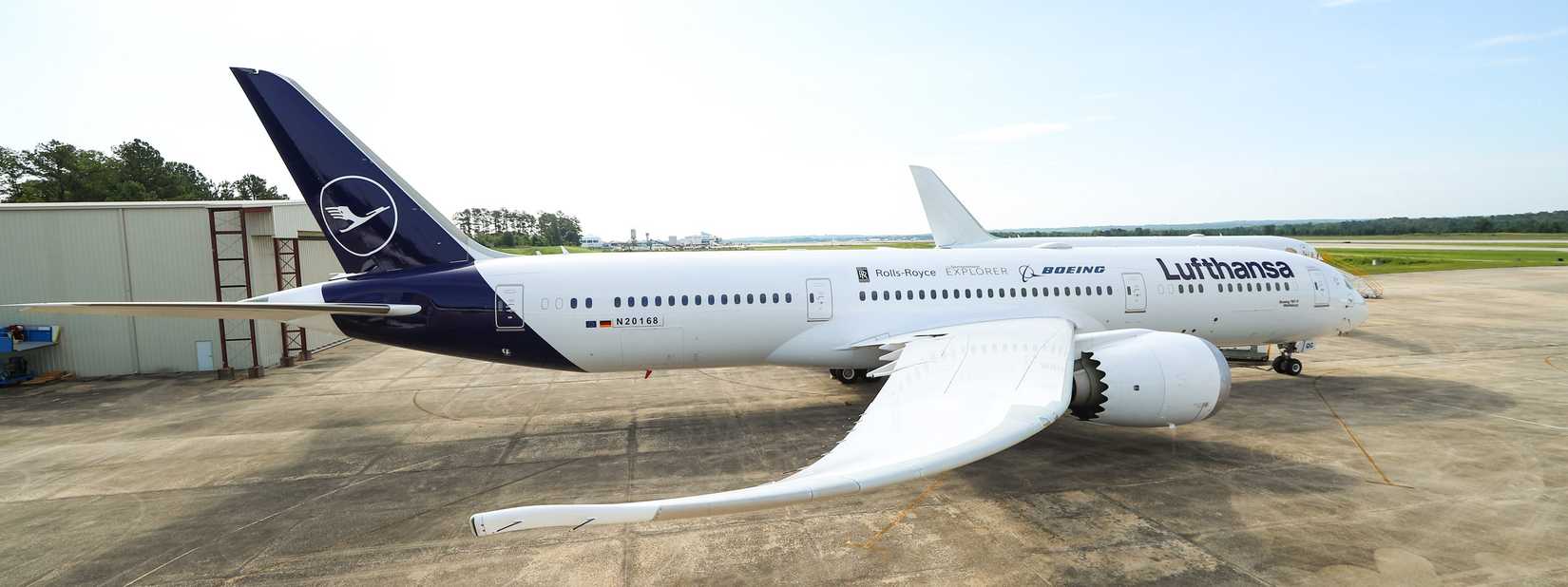
The A330neo And The Economics Of One Engine
For Rolls-Royce, the forced exclusivity of the A350 and A330neo programs turned out to be an unexpected miracle. In the late 2010s, the company was hemorrhaging billions of dollars from its shared-wing Trent 1000 engine issues. If Rolls-Royce had been forced to fiercely battle General Electric over the A350 wing at the same time, it likely would have faced catastrophic bankruptcy. After the A350 partnership succeeded, the Airbus A330neo program became the second critical pillar of Rolls-Royce’s overarching course correction.
When Airbus launched the A330neo in 2014 as a fuel-efficient re-engining of its wildly popular original A330ceo, the manufacturer doubled down on its new single-source philosophy. Rolls-Royce built the Trent 7000 by leveraging the low-pressure system architecture from its Trent 1000 engine, while engineers added a new gearbox and a different air-start mechanism to the existing design. This safe, methodical approach allowed Airbus to keep 95% of its spare parts inventory identical to the older A330 model, significantly speeding up the regulatory safety certification process.
The Trent 7000 became the primary platform where Rolls-Royce perfected its revised high-pressure turbine blade cooling configurations and advanced thermal-barrier coatings. Because these blades operated flawlessly in the Trent 7000, Rolls-Royce gained the exact engineering validation it desperately needed. The company took this perfected, Airbus-funded turbine technology and backported it directly into the troubled Boeing 787 fleet as part of the Trent 1000 XE upgrade program.
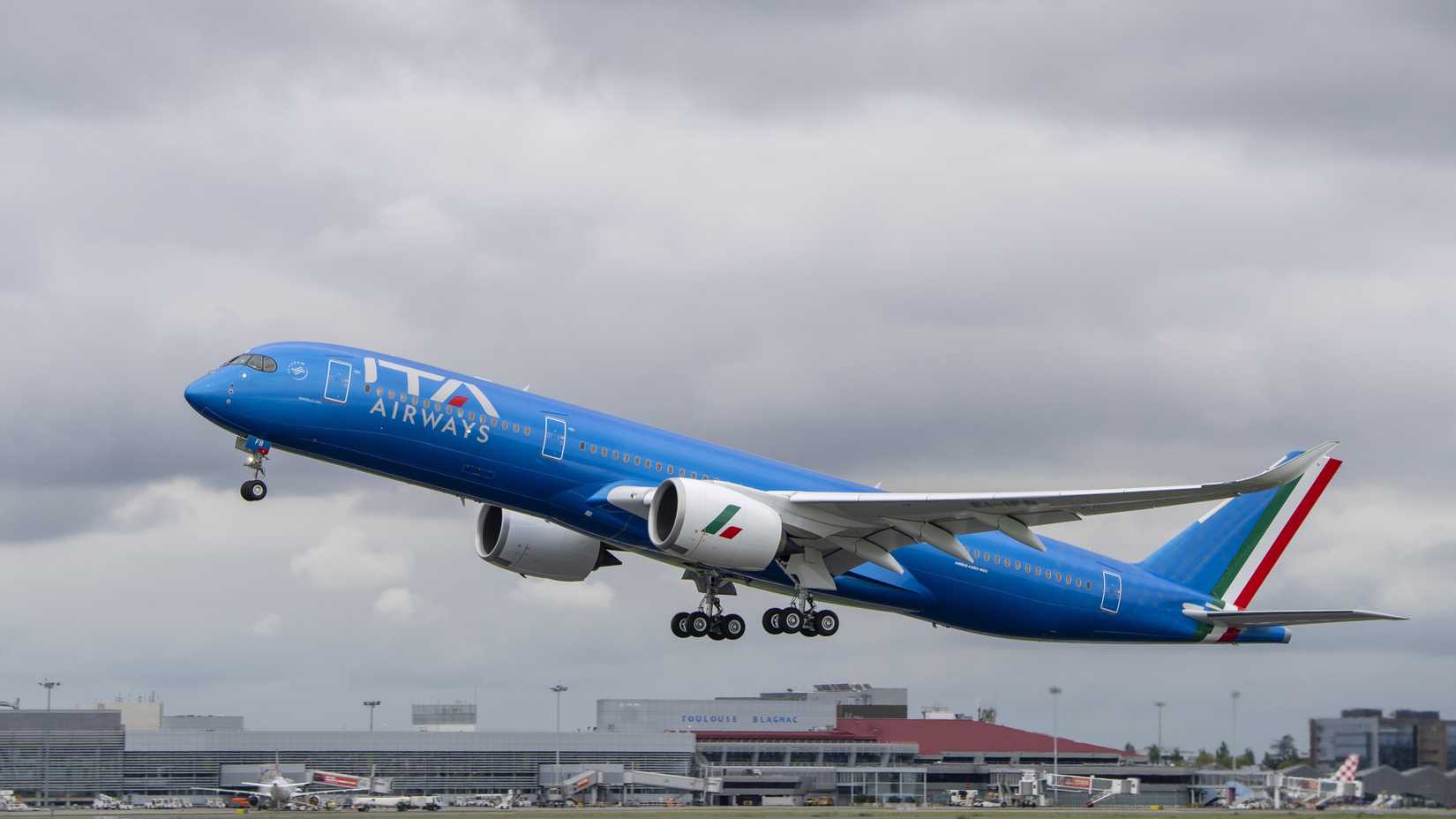
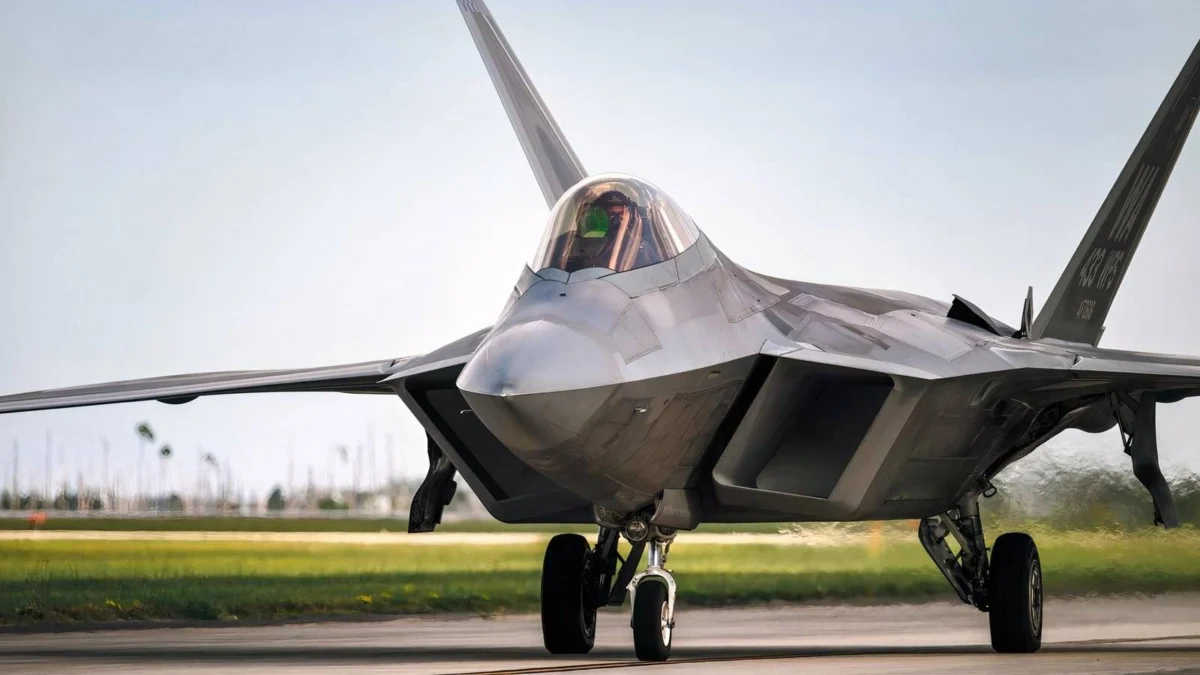
The success of its Airbus-exclusive engine line restored corporate stability and has directly enabled Rolls-Royce to expand its footprint in the highly lucrative global defense sector while funding its ambitious new UltraFan program. In the military arena, the company is successfully leveraging its engineering expertise to capture major multi-billion-dollar defense contracts, such as the B-52 Commercial Engine Replacement Program and advanced propulsion systems for next-generation fighter jets.
Simultaneously, the UltraFan program is actively utilizing the material science lessons learned during the Trent recovery process, scaling down a high-efficiency, geared turbofan architecture to position Rolls-Royce for a triumphant reentry into the single-aisle market. By breaking the long-standing duopoly of its industry rivals, Rolls-Royce is using its newfound strength and stability to shape the next decade of commercial aviation.