The flavors of childhood are often tied to the landscape, rooted in memories of seasonal harvests and waters fished by hand. For many, growing up meant gathering wild berries from nearby pine and oak woods, stirring their natural sweetness into morning pancake batter, or pulling brook trout from the waters of long-abandoned granite quarries to be sautéed in cast-iron skillets until the delicate flesh flaked effortlessly from translucent bone.
Yet, for countless individuals, the journey into adulthood involves a departure from these primal connections. Moving away from the natural world, many adopt strictly plant-based diets or rely entirely on grocery stores and domestic gardens for sustenance, taking little to no food directly from wild nature. Over time, however, the black-and-white dietary ethics of youth can be challenged by the complex realities of modern industrial agriculture, while the human body often calls out for a wider, more diverse array of nutrients.
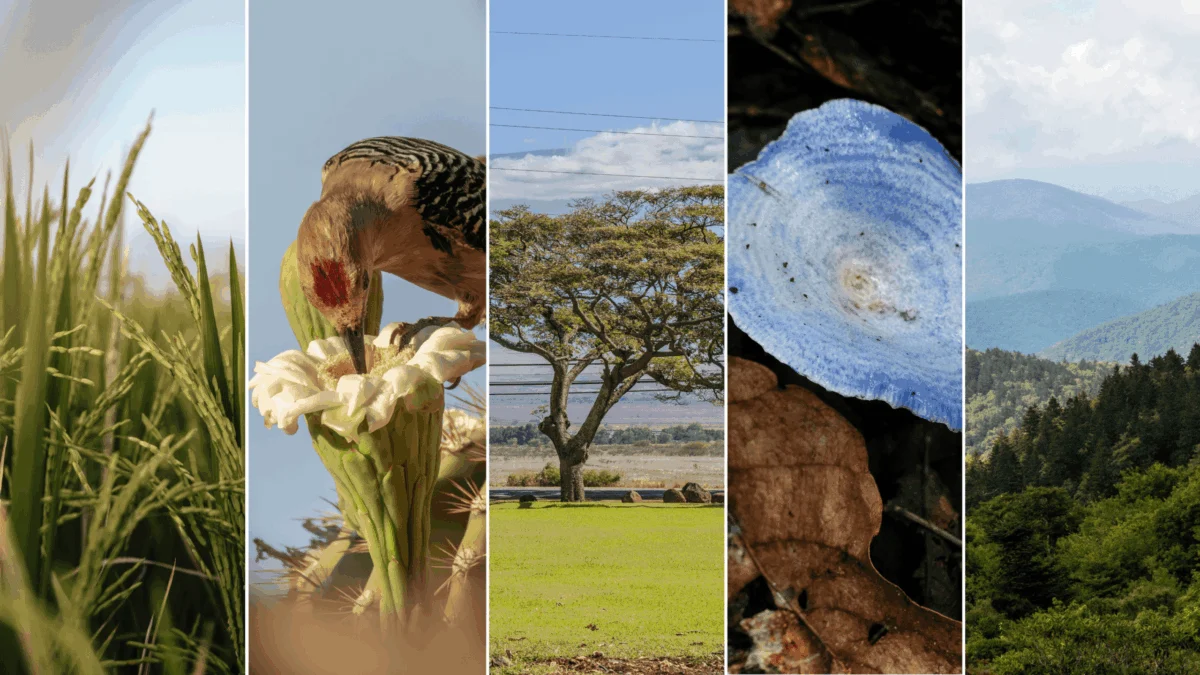
This realization frequently sparks a journey back to omnivory and the wild. Across North America, people are picking up fishing rods once again, paying closer attention to the diverse fungi emerging from forest floors, and learning the intricate skills of hunting. Whether picking portobello-like indigo milk caps, casting lines for trout and striped bass, or sitting quietly at the base of a maple tree with a rifle in hand as dawn brightens frosty deer woods, many are rediscovering a fundamental truth: the land is a source not only of scenic beauty but also of vital nourishment. The earth feeds our bodies just as deeply as it feeds our souls.

Despite this growing awakening, the continent’s vast diversity of wild edibles and the deep cultural meanings behind traditional foodways have largely been forgotten by the modern mainstream. Reconnecting with the complete nature-to-plate experience requires stepping outside and harvesting directly with one’s own hands. Even for those not yet ready to dive into relearning ancient survival skills, regions across the country offer unique opportunities to experience wild foods, each flavored by local land and culture, providing a direct taste of a specific place straight from the source.
Foraging the Forests of Asheville, North Carolina
People have walked the Blue Ridge Mountains in search of edible plants and fungi since the end of the last Ice Age. Today, tens of thousands of species inhabit the region’s lush and astonishingly biodiverse forests, with a handful of seasonal favorites dominating Asheville’s vibrant foraging and culinary scene.
Ramps, or wild leeks, arrive each spring bearing an earthy, garlicky promise of warmer weather. Later, in the transition from late summer to early fall, pawpaws—the continent’s largest edible native fruit—ripen to deliver a near-tropical blend of mango and banana flavors to the tongue. Meanwhile, a prolific bounty of edible fungi, ranging from morels and black trumpets to lion’s mane, chanterelles, and chicken of the woods, fills the baskets of mushroom hunters in every season except winter.

However, overharvesting, driven by both legal and illegal activities, has necessitated strict regulatory protections. Within the Great Smoky Mountains National Park, the commercial or recreational collection of ramps has been strictly forbidden since 2004, and daily mushroom harvests are limited to a modest pound per person. While the prohibition on gathering ramps extends broadly, a recent agreement between the National Park Service and the Eastern Band of Cherokee permits several dozen tribal members to gather sochan within park boundaries, preserving an enduring cultural tradition.
Outside the national park, foraging opportunities remain accessible to the public. In the nearby Pisgah and Nantahala National Forests, individuals are permitted to gather up to three pounds or one gallon of ramps and mushrooms for personal use, though prized varieties like truffles and chaga remain off-limits. Even for travelers who prefer not to venture deep into the woods for their dinner, Asheville and its surrounding areas offer a rich cornucopia of restaurants and markets dedicated to showcasing these wild edibles.
Swap Blue Crab for Blue Catfish in Chesapeake Bay
Covering nearly 4,500 square miles, the Chesapeake Bay and its extensive tidal tributaries are globally famous for blue crabs, a delicacy beloved by both locals and visitors. Though the bay continues to supply a significant portion of the nation’s commercial harvest, blue crab populations have faced mounting pressure from habitat loss, overharvesting, and heavy predation.

Among the chief predators threatening the crab population are locally invasive blue catfish. Initially introduced to Virginia rivers decades ago, these resilient fish have proven capable of tolerating the increasingly saltier waters of the bay, where they now aggressively outcompete native species. To mitigate these negative ecological impacts, a diverse coalition of stakeholders—including marine scientists, government agencies, commercial seafood producers, local restaurants, and major grocery stores—is actively working to build a thriving "River to Table" market.
In recent years, both Virginia and Maryland have recorded millions of pounds in annual commercial blue catfish harvests. While health advisories recommend that consumers eat smaller fish or carefully trim away belly fat and dark meat to minimize potential environmental contaminants, blue catfish has steadily gained popularity as table fare. Delicious when fried, grilled, smoked, or blackened, the fish is increasingly featured on menus and supermarket shelves throughout the region.
Recreational anglers can also catch their own blue catfish, with or without the assistance of a professional fishing guide. In most tidal waters, neither state imposes strict bag limits on how many blue catfish anglers can keep, helping to encourage removal of the invasive species. Those who venture out onto the water should come prepared for a strenuous fight, as blue cats regularly exceed 30 pounds and can grow significantly larger.

Harvest Wild Rice by Canoe in Minnesota
Centuries ago, the Anishinaabe people migrated from the Atlantic coast to the western Great Lakes region, guided by a historical prophecy telling them to travel west until they found the place where food grows on water. That food was manoomin, or wild rice, an annual aquatic grass that thrives in shallow lakes and rivers. As a vital traditional food for multiple Indigenous nations, wild rice—known as psiŋ in Dakota—continues to carry profound cultural meaning and remains central to contemporary food sovereignty efforts across the region.
The traditional method of harvesting wild rice in late summer requires two people working in tandem from a canoe. One person navigates the craft using a long, forked pole, while the other uses a pair of smooth cedar sticks to gently bend the tall stalks over the gunwales and tap the ripe grain loose. In Minnesota, mechanized harvesting of wild rice has been banned by state law since 1939 to protect traditional methods. Once harvested, the grain must be dried, parched, and separated from its chaff, a finishing process that has largely transitioned to mechanical means.
Nutty and smoky in flavor, manoomin is versatile enough to be enjoyed at any meal, from a breakfast of rice and berries sweetened with maple syrup to a hearty evening stew. Natural wild rice grains feature a complex mix of earthy hues and cook in roughly twenty minutes. This stands in sharp contrast to "paddy" or cultivated variants grown in agricultural settings in Minnesota and California, which are glossy black and require considerably longer cooking times. Minnesota law requires clear labeling to help consumers distinguish between the two.

While both state residents and nonresidents can purchase a wild rice harvesting license, the actual process of gathering and processing requires specialized knowledge and respect for tribal traditions. For indigenous communities, ricing represents an ancient, unbroken relationship with the land. Visitors interested in the practice are encouraged to learn from experienced harvesters or attend tribal-led educational camps, while supporting local communities by purchasing authentic manoomin directly from tribal sources.
Cook Your Catch in Pensacola, Florida
Long dubbed the "Gloucester of the Gulf," the historic commercial fishing hub of Pensacola, Florida, anchored a massive fishery in the late nineteenth and early twentieth centuries that hauled in millions of pounds of red snapper annually. Following the Second World War, recreational fishing experienced a massive surge as well. However, this combined fishing pressure, compounded by incidental bycatch from commercial shrimp trawlers, proved unsustainable. Between 1950 and 1990, red snapper populations plummeted sharply.
Since the 1990s, federal fisheries managers have implemented strict regulations, capping the annual total allowable catch, dividing allocations between commercial and recreational sectors, and limiting individual anglers to a daily bag limit of two fish. Celebrated for its sweet, mild, and firm flesh, red snapper can be prepared in a multitude of ways, from roasted Snapper Veracruzana and fried snapper bites to whole fish baked with Thai seasonings or grilled with a lemon basting sauce.

Fresh red snapper is widely available in seafood markets along the Florida panhandle and the Alabama coast. Additionally, many local restaurants offer a popular "cook your catch" service, allowing successful anglers to bring in their freshly reeled fish to be prepared by professional chefs. While snapper fishing season peaks during the summer months, it frequently extends well into the fall.
Because many caught snapper must be released due to size regulations, seasonal closures, or the strict two-fish bag limit, fisheries experts emphasize the importance of proper catch-and-release techniques. When anglers haul a red snapper up from deep water, the sudden change in pressure causes the fish’s swim bladder to over-expand, preventing it from swimming back down on its own. To maximize survival rates, programs like the Florida Sea Grant’s Return ’Em Right initiative urge anglers to use descending devices that quickly return fish to the proper depth, a practice that has also been incorporated into federal management rules.
Hunt for Invasive Axis Deer in Hawaiʻi
In the 1860s, the British colony of Hong Kong presented the Kingdom of Hawaiʻi with eight axis deer. These striking, spotted animals, native to the Indian subcontinent, were initially released on the island of Molokaʻi. In the absence of natural predators, their populations multiplied rapidly. Similar introductions in 1959 and 1960 relocated nine deer to Maui, where populations likewise soared out of control.

Alongside other introduced herbivores, axis deer have severely damaged local agriculture, stripping hillsides of drought-stressed vegetation and leaving bare soil vulnerable to heavy rains. Runoff frequently erodes topsoil, sweeping it down into vital wetlands and fragile coral reefs, causing severe harm to critical local ecosystems. To accelerate deer control efforts and mitigate environmental degradation, the state of Hawaiʻi has issued more than two dozen emergency proclamations in recent years.
While many local families hunt axis deer and deeply prize the venison—particularly on Molokaʻi—recreational hunting alone has not been sufficient to keep herd numbers in check. As a result, islanders have turned to an unconventional solution: commercial harvest. While federal and state laws generally prohibit the commercial sale of wild game across the United States, specific federal rules permit USDA inspection and subsequent sale for certain non-native species, including axis deer.
In 2007, Molokaʻi hunter Desmund Manaba became the first in Hawaiʻi to win regulatory approval to harvest axis deer and legally sell the meat. By 2012, Maui County established a dedicated harvesting cooperative to support similar efforts. Today, professional shooters operating under programs like Maui Nui Venison harvest deer from private ranches at night. While much of the fresh and processed meat is sold commercially, a significant portion is distributed free of charge to local families through community food-sharing initiatives, providing vital food security during regional crises.

Gather the Fruits of the Desert in Tucson, Arizona
The word "desert" often conjures images of barren emptiness and a complete lack of life. Yet Tucson, Arizona, situated on the eastern edge of the Sonoran Desert, thoroughly dispels those notions. Designated as a UNESCO Creative City of Gastronomy in 2015, Tucson boasts the longest continuous agricultural history of any city in the United States alongside an extraordinarily rich tradition of wild foodways.
Native cacti feature prominently in the local culinary heritage. For millennia, the Tohono Oʻodham people have gathered food from—and maintained vital ecological relationships with—multiple desert plant species, following an ancient calendar dictated by the region’s two distinct rainy seasons. From late summer into fall, harvesters gather prickly pear fruit during and after seasonal rains, consuming the fruit raw or pressing it into sweet juices. In the spring, following winter rains, foragers pluck tender cholla buds, which taste reminiscent of lemony asparagus tips and can be eaten fresh or dried for later preservation.
In June, just before the arrival of the summer monsoon rains, community members harvest saguaro cactus fruit. Harvesters use a traditional long pole made of saguaro ribs, known as a kuipad, to knock the fruit down from towering cacti, subsequently drying the protein-rich seeds and boiling the fruit into jams and syrups. A portion of the resulting syrup is traditionally fermented into wine for the rain ceremonies that mark the Oʻodham New Year.

While casual foraging is generally prohibited within Saguaro National Park, specific legal exemptions protect traditional Oʻodham harvesting rights. For visitors interested in experiencing the desert’s bounty, gathering is permitted on private land with explicit landowner permission, though participating in guided community walks and educational harvests offers an ideal introduction. Travelers can also support indigenous land stewards directly by purchasing wild foods harvested and prepared by Oʻodham gatherers.