The commercial aviation landscape in the United States today bears almost no resemblance to the industry that defined the skies six decades ago. Major legacy carriers such as American Airlines, Delta Air Lines, and United Airlines now command massive, sprawling long-haul networks connecting cities across the globe, a reality shaped by decades of massive consolidation, strategic mergers, and high-profile corporate casualties.
Among the most enduringly mourned losses in aviation history remains the 1991 liquidation of Pan American World Airways. Once celebrated as one of the most legendary corporate entities in the world and the undisputed de facto flag carrier of the United States, Pan Am ultimately found itself outpaced by a rapidly changing regulatory and economic environment. Yet, despite vanishing from the skies more than thirty years ago, the iconic blue globe logo and the resonant name have refused to stay permanently grounded.

Throughout the decades following its collapse, the name has seen multiple attempts at resurrection. A second iteration, often referred to as Pan Am II, briefly took to the skies in 1996 before merging with Carnival Airlines just two years later. Subsequent revivals faced similar fates: Pan Am III launched in 1998 and collapsed by 2004, while a fourth incarnation operated a modest regional schedule from 2010 to 2014. Now, a fresh group of investors is wagering that a different operational approach will yield enduring success, currently navigating the rigorous Federal Aviation Administration certification process in an ambitious bid to bring Pan Am back to life.
The New Pan Am Coming To The US
While previous attempts to revive the famous name occasionally captured public attention, none of them managed to mirror the sprawling, intercontinental network that characterized the original carrier during its mid-century zenith. Most recently, in June 2025, the brand briefly returned to the spotlight via a series of nostalgic charter flights organized to pay homage to the airline’s golden era. These high-end excursions utilized Boeing 757 aircraft configured exclusively with business-class seating—an interesting historical footnote, given that the original Pan Am never actually operated the Boeing 757 type.
During the execution of those high-end charter tours, Avi8 Air Capital entered into a collaborative partnership with Pan American Global Holdings, the legal entity holding the intellectual property rights to the Pan Am brand. The goal was to evaluate the financial and operational feasibility of a permanent commercial revival. Following the formulation of a comprehensive business plan, the newly formed corporate entity formally initiated the FAA certification process in October 2025 with the objective of securing formal operating authority.

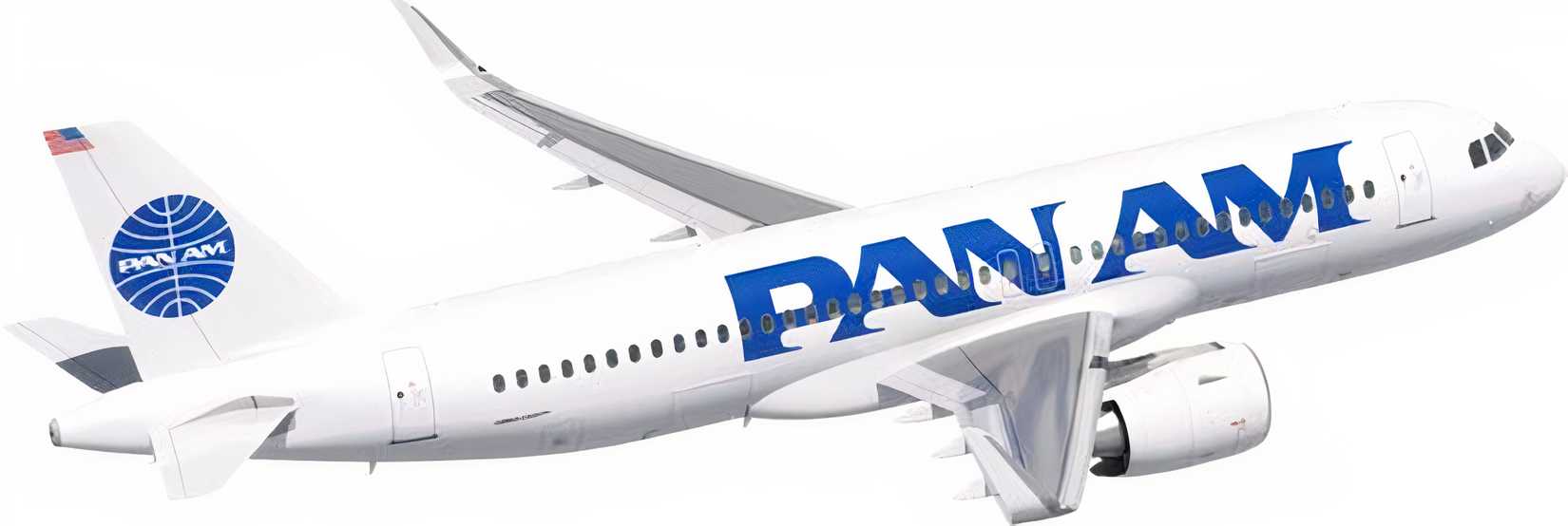
The enterprise is aiming for Part 121 certification, representing the strictest set of operational regulations enforced by the FAA for commercial air carriers operating large transport aircraft on scheduled passenger, cargo, or charter services. Leadership has announced that the revived airline will establish its corporate headquarters in Miami, Florida. Current fleet strategy points toward an initial focus on modern Airbus narrowbody aircraft, with the Airbus A220 and pre-owned Airbus A320 aircraft emerging as the preferred operational choices for launch.
Furthermore, CEO Ed Wegel noted in public statements that the company intends to integrate the advanced Airbus A320neo family into its fleet operations at a later date, once ongoing aerospace supply chain pressures and engine availability constraints stabilize across the industry. To establish a robust technological foundation, the company has already secured key supplier agreements, partnering with Amadeus to manage passenger service systems, IT infrastructure, and distribution networks, alongside Avengers Flight Group for pilot simulator training, and Airbus to utilize the manufacturer’s proprietary SkyWise Digital Suite.
What Part 121 Certification Entails
Navigating the stringent requirements of Part 121 certification is a monumental undertaking for any startup carrier. Part 121 specifically governs scheduled air carriers and large commercial transport operations, establishing the most demanding regulatory standards within the American civil aviation sector. However, holding a Part 121 certificate does not exclusively dictate a traditional scheduled airline business model; the regulatory framework also applies to major charter specialists and specialized transport providers such as Atlas Air, Omni Air International, and the modern iteration of Eastern Airlines. Instead of focusing on commercial strategy, the regulations evaluate operational scope, aircraft capabilities, and the level of direct FAA oversight required to guarantee absolute passenger safety.
The certification process requires the FAA to subject every facet of the airline’s intended operations to intense scrutiny. Regulators carefully evaluate comprehensive operating manuals, corporate structures, maintenance programs, and technical procedures to verify full compliance with federal law. Inspectors examine whether the chosen aircraft are properly equipped for commercial service and ensure that the carrier is actively recruiting appropriately qualified flight crews who will undergo rigorous, FAA-approved training programs. Additionally, the regulatory review covers critical operational areas such as advanced route planning, flight dispatch, and the handling of hazardous materials, requiring the airline to submit exhaustive documentation for regulatory approval.
Beyond the extensive paperwork review, the certification path involves comprehensive on-site inspections, facility evaluations, and operational proving tests designed to demonstrate the carrier’s readiness. Because this multi-stage validation process typically spans many months or even years, it represents a substantial financial burden for a startup company with no incoming passenger revenue. For a newly formed venture like Pan Am, every month spent navigating the regulatory pipeline increases financial exposure and heightens the pressure on its financial backers.
The Business Plan For Pan Am
Despite leveraging one of the most historically resonant names in global aviation history, the new Pan Am does not intend to immediately launch standard, high-frequency domestic ticket sales in direct competition with major domestic hubs. Instead, the strategic blueprint prioritizes a specialized approach centered on charter operations, with initial services primarily focusing on routes to Latin America before any transition to scheduled passenger service occurs. Company leadership has previously indicated that its future aircraft configurations will feature a multi-class cabin layout, likely incorporating standard economy, extra-legroom seating, and a domestic-style premium cabin.
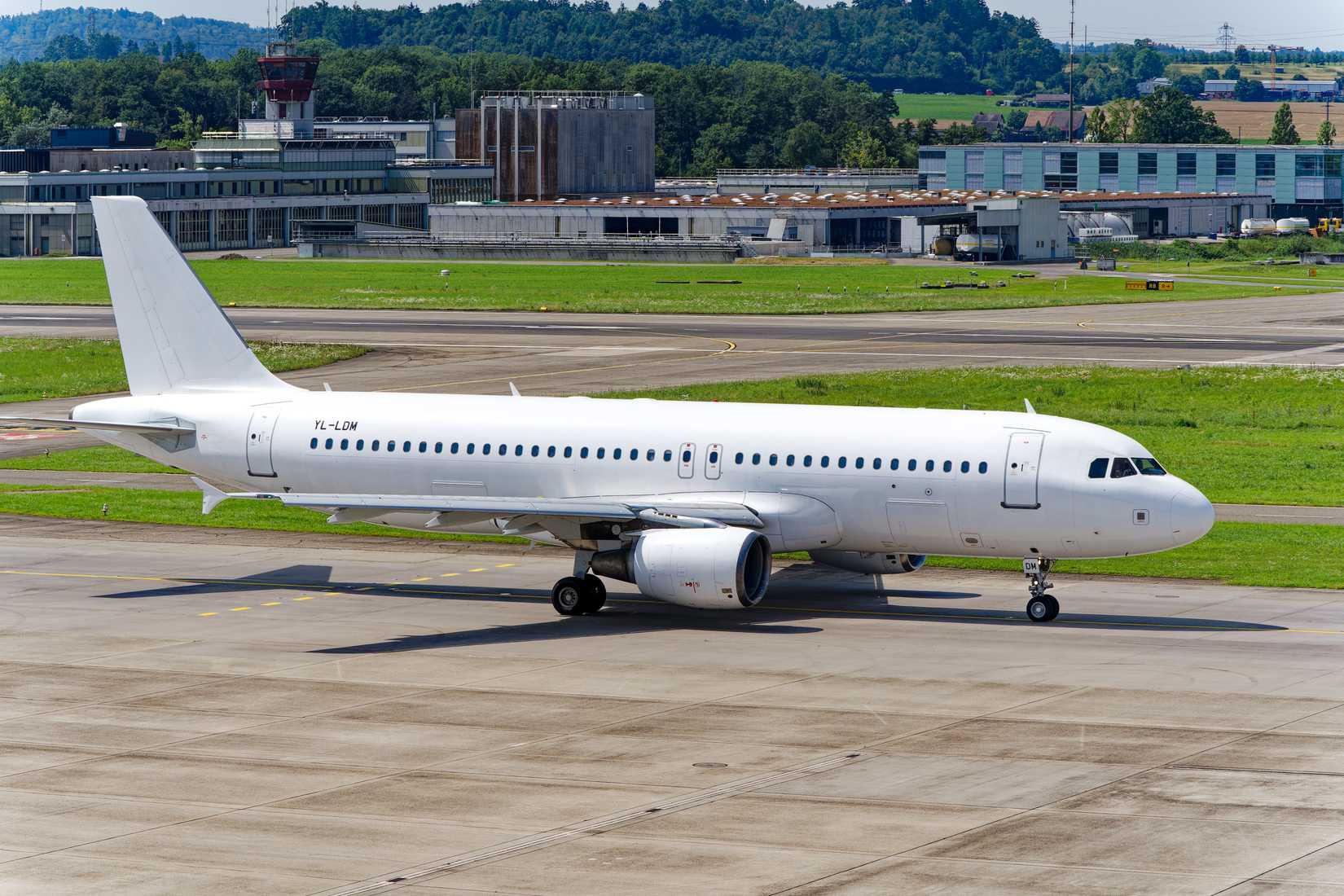
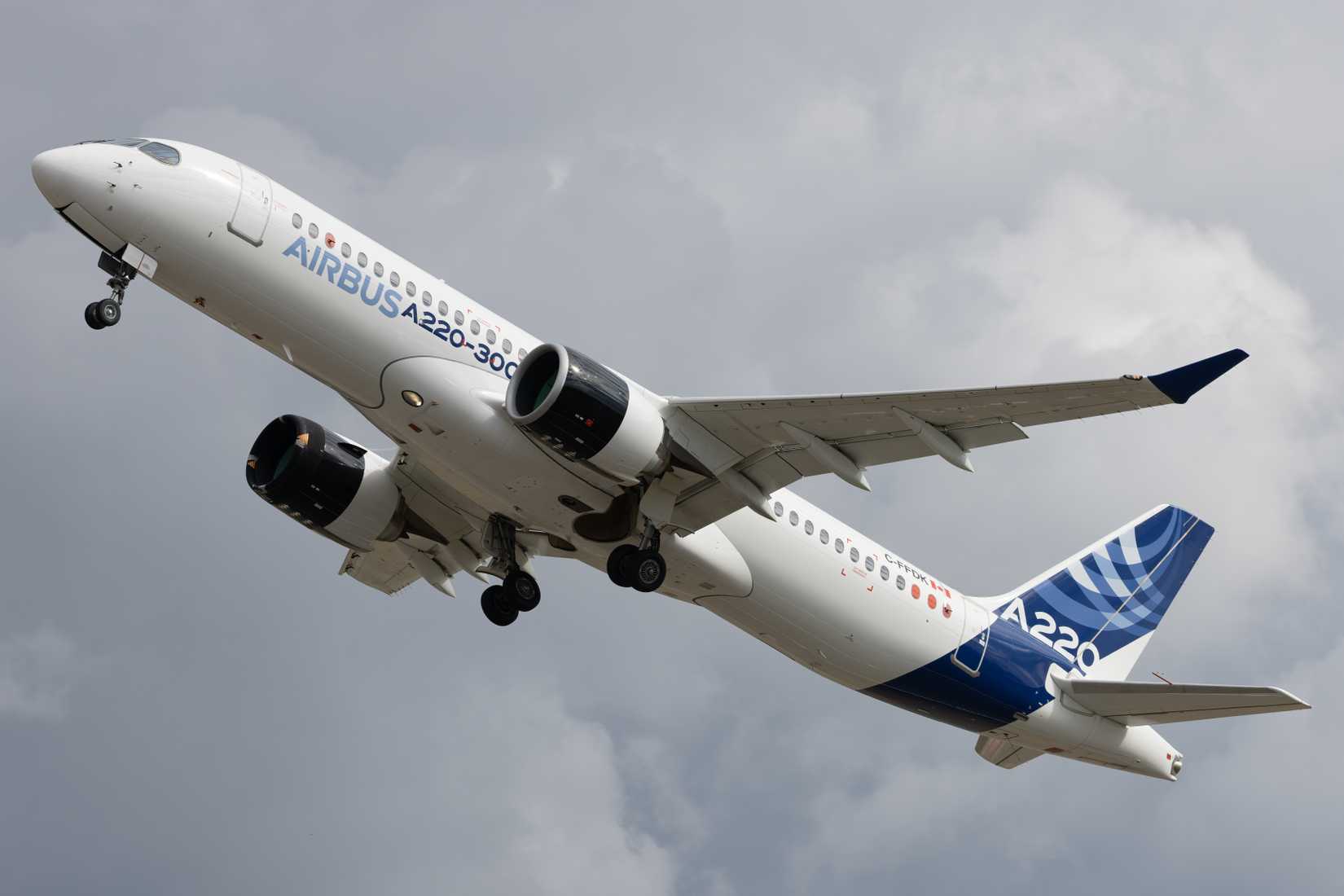
While the exact composition of the future fleet remains fluid, the Airbus A220—specifically the larger A220-300 variant—stands as the primary front-runner for the carrier’s future scheduled operations. Given that securing delivery slots for brand-new A220s can prove challenging amid broader industry delivery backlogs, management has simultaneously evaluated acquiring pre-owned Airbus A320-200 aircraft to serve as a reliable interim solution should delivery timelines slip.
While these long-term aviation plans slowly progress through regulatory channels, the corporate entity continues to generate brand visibility and revenue through ongoing luxury charter excursions. The company has actively marketed bookings for extended, all-inclusive private tours, including an upcoming 19-day African itinerary scheduled for June 2027. These specialized journeys continue to utilize Boeing 757-200 aircraft outfitted exclusively with premium business-class seating. Notably, these specific charter legs are operated under contract by Icelandair, meaning they operate independently of the startup’s pending FAA Part 121 certification timeline.
The Other Ventures Of The New Pan Am
The upcoming African tour represents just one component of a broader diversification strategy. The company has formally established a dedicated subbrand, "Pan Am Journeys," focused entirely on high-end private jet tours and luxury experiential travel. Bookings have similarly opened for specialized themed excursions, such as a golf-focused itinerary to Ireland scheduled for September 2027 utilizing the same chartered VIP aircraft configuration. Furthermore, the enterprise is expanding its reach into maritime tourism through a partnership with Holland America Line to charter the cruise ship Zuiderdam for a Caribbean voyage designed to replicate historical cruise routes historically associated with the original Pan Am flying boat network.
Beyond travel and aviation, the brand is branching out into the hospitality sector through a strategic licensing agreement with Hilton to open a dedicated themed hotel property. Situated near the Citadel Outlets outside Los Angeles, the forthcoming "Pan Am Hotel" will immerse guests in a mid-century modern aesthetic, incorporating archival artworks and design elements that celebrate the aesthetic heyday of the original airline. Scheduled to feature multiple on-site dining venues and a fitness facility, the hotel project represents a concerted effort to monetize the enduring cultural cachet of the brand name well beyond the confines of commercial flight operations.
By establishing multiple revenue streams across hospitality, luxury tour operations, and specialized charter aviation, the parent organization is actively attempting to insulate itself against the typical economic volatility that plagues traditional startup airlines. This calculated diversification underscores a positioning strategy that treats Pan Am less as a traditional low-cost carrier and more as an exclusive, lifestyle-oriented travel brand.
Why Travel With The New Pan Am
The broader United States aviation market has witnessed a profound structural shift toward premium travel, with legacy heavyweights like Delta Air Lines and United Airlines capturing immense profitability by expanding and refining their upscale cabin offerings. However, the commercial success enjoyed by these major network carriers is deeply anchored in their immense scale. Passengers routinely gravitate toward Delta and United because those airlines already maintain massive, worldwide route maps, robust frequent flyer programs, deeply integrated corporate contracts, and comprehensive global alliance partnerships.
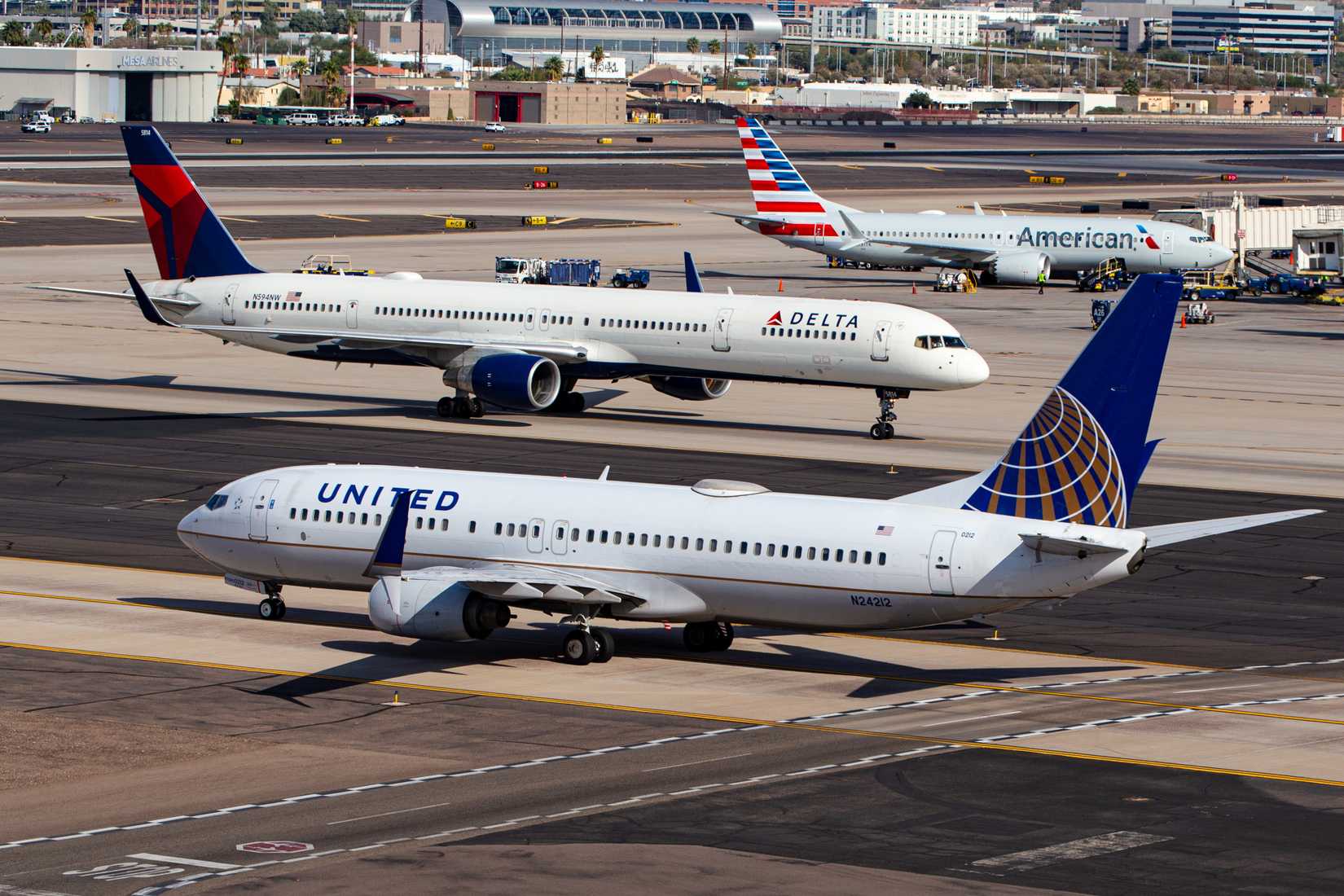
In contrast, a newly launched startup bearing the Pan Am name enters the market without an established frequent flyer ecosystem, corporate partnerships, co-branded credit card portfolios, or a preexisting global network. While the historic brand name carries powerful nostalgia among aviation enthusiasts and older demographics, modern travelers purchasing premium tickets typically prioritize schedule reliability, network depth, and consistent loyalty benefits over historical pedigree. Coupled with an initially microscopic route footprint, establishing a compelling value proposition against entrenched industry titans will present an extraordinary commercial challenge.
Because the carrier plans to focus heavily on specialized charter operations during its initial phases, the timeline for launching mainstream scheduled flights remains flexible and unguaranteed. Given the immense financial strength and operational dominance characterizing contemporary American aviation, finding a sustainable niche within specialized luxury travel markets may ultimately prove to be a more viable financial strategy than attempting direct competition with established mainline carriers. Whether today’s travelers will embrace a resurrected corporate icon in an ultra-competitive skies remains to be seen as the venture works toward securing its regulatory clearance.