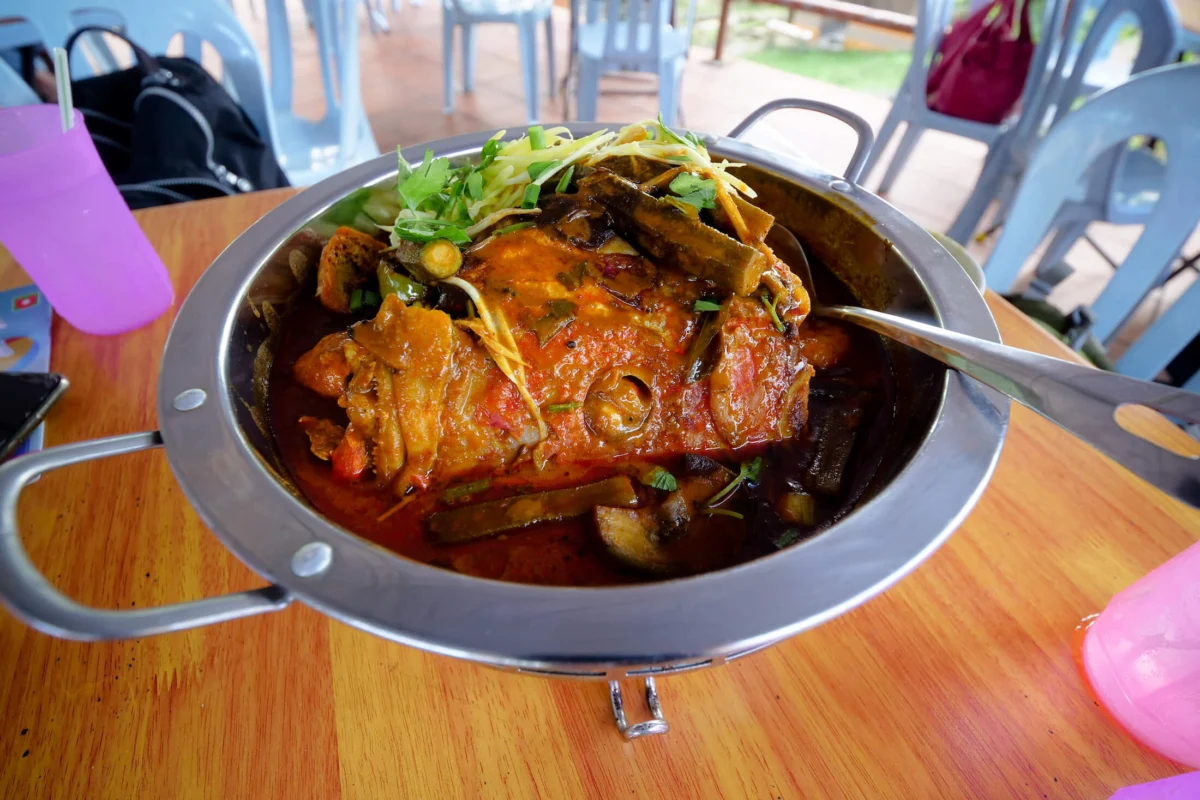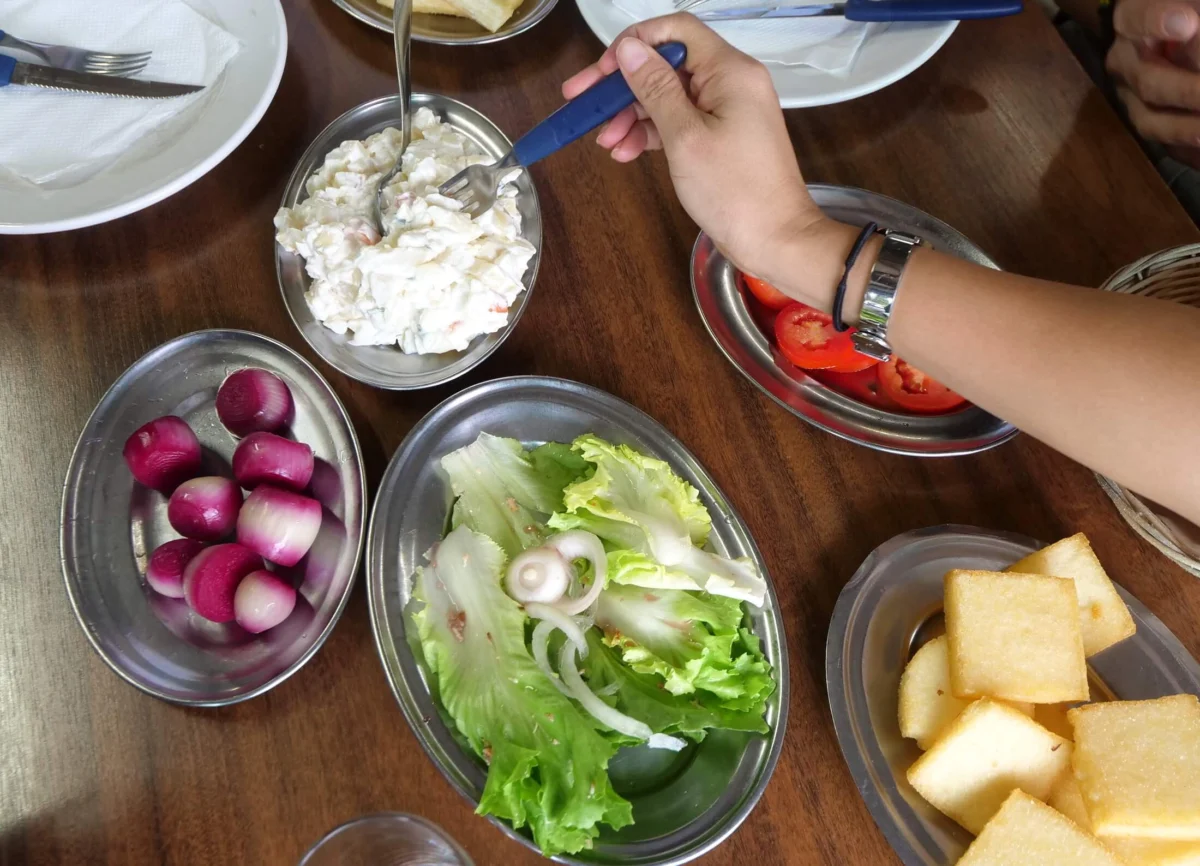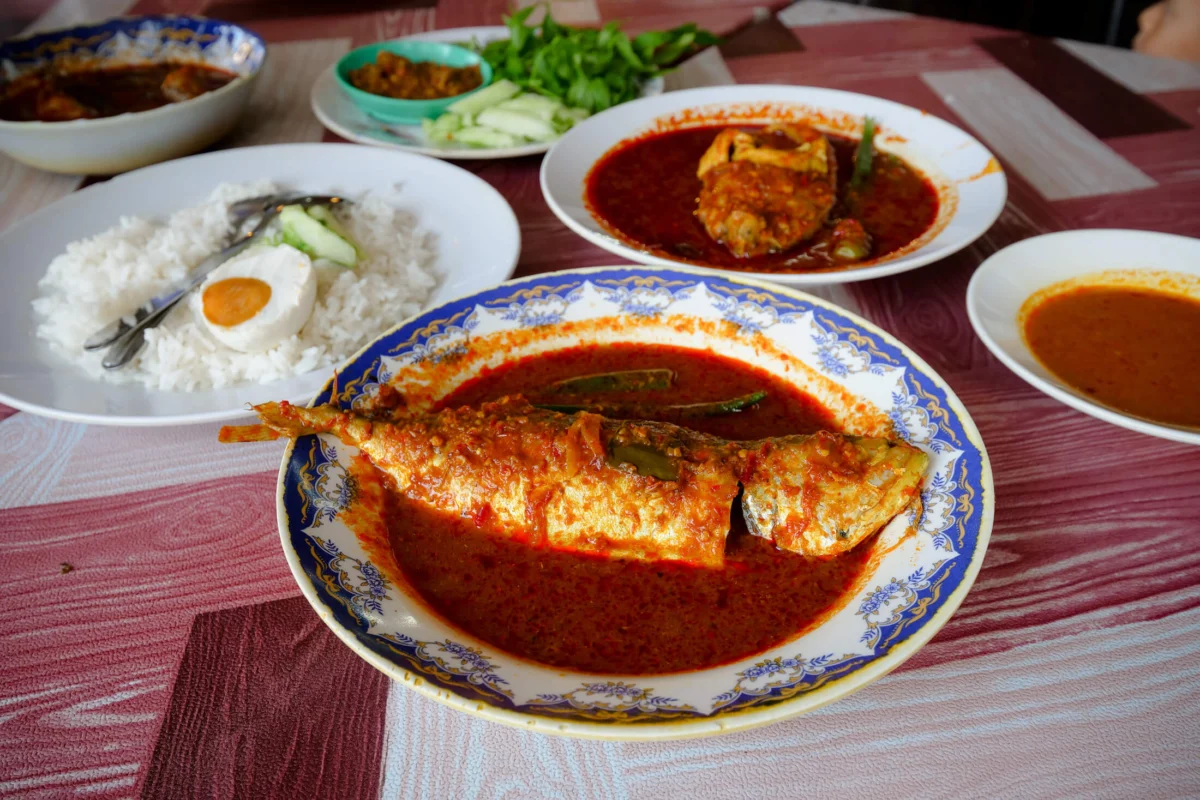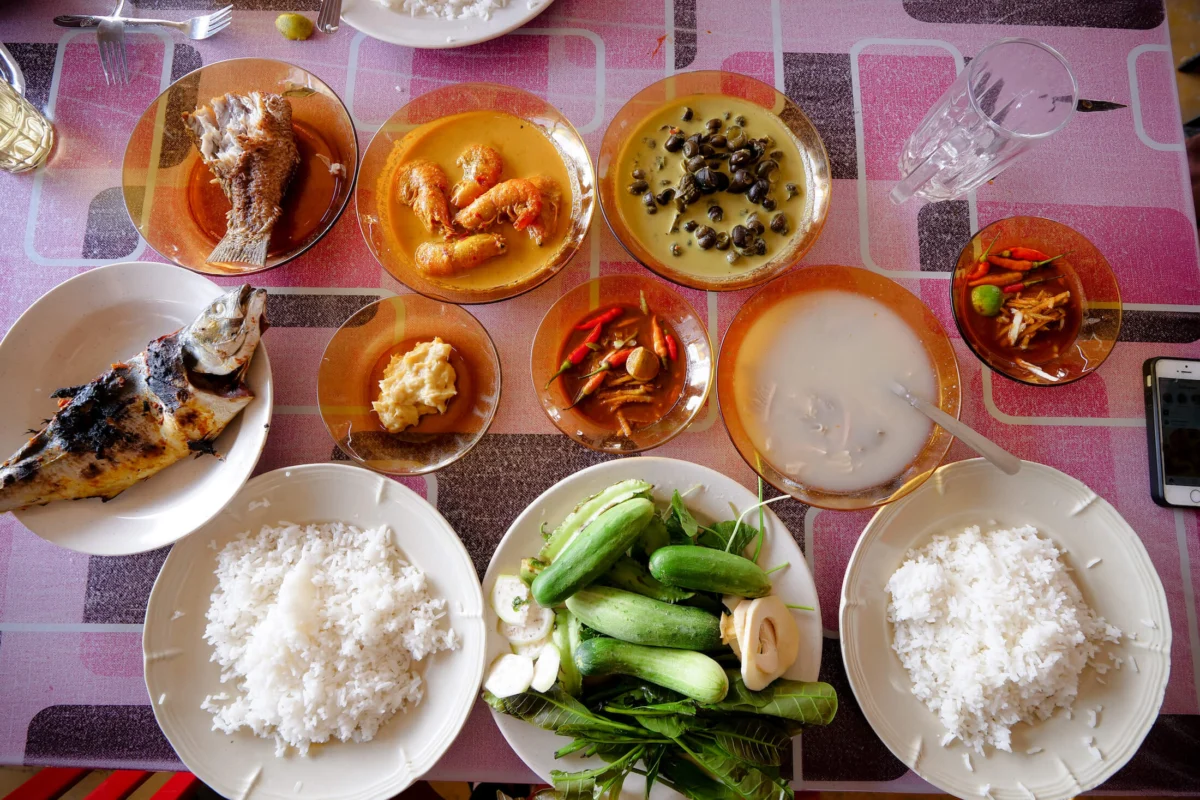
Nasi Ulam, often translated simply as "Herb Rice," stands as an undisputed favorite for Malaysian food enthusiasts and serves as a major culinary highlight for anyone visiting the country’s northernmost peninsular state of Kelantan. Beyond a basic meal of grains and greens, a traditional Kelantanese feast offers an extraordinary array of fresh herbs, wild vegetation, grilled seafood, and intensely flavorful local condiments that define the unique gastronomic identity of the region.
At D’Umi Nasi Ulam Restaurant, located just minutes away from the Thai border, diners are treated to a vibrant lunchtime spread that stays open through the night, accommodating cross-border transport drivers and late-night travelers until five in the morning. While simple food names across Southeast Asia—such as fat rice, travel rice, or rice salad—tend to be remarkably modest, they rarely capture the immense variety and diversity packed into a single serving. Local residents frequently recommend Nasi Ulam to travelers exploring northern Malaysia, and the experience quickly validates those recommendations.
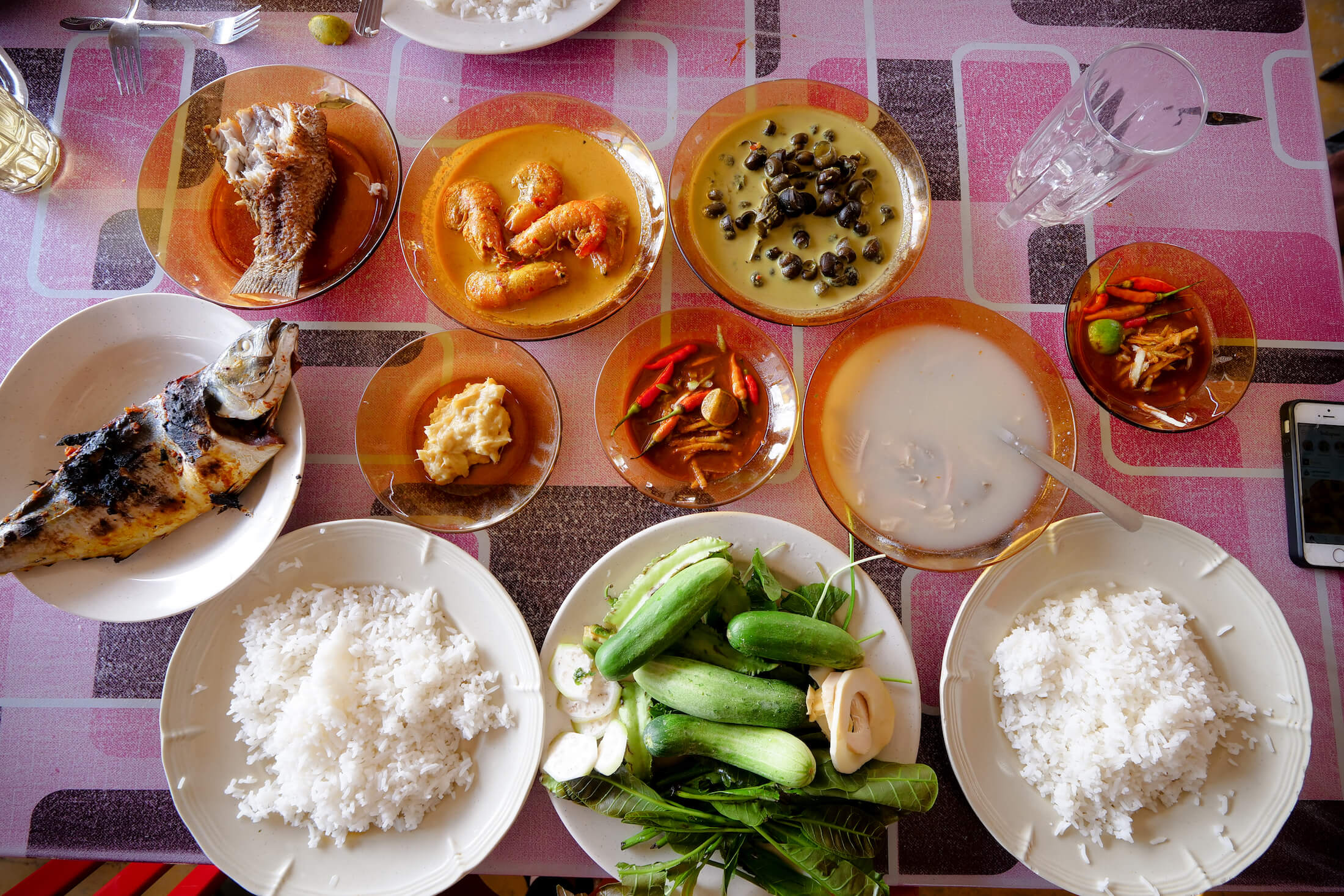
So Much More than Herbs and Rice
The term Nasi Ulam can describe a few different regional preparations, but the version consumed daily in Kelantan centers on a foundation of white rice accompanied by curries, freshly caught grilled fish, and mountains of raw green vegetables and wild herbs. Diners heavily garnish these vegetables with local specialty sauces like Budu and Tempoyak.
The vegetation displayed on the serving tables at D’Umi Nasi Ulam is staggering in volume, reflecting the enormous quantities of fresh produce consumed daily. Diners pair these greens with their rice by dipping them into savory, pungent sauces. Among the diverse array of vegetation available are jungle pepper, cashew tree leaves, mango tree leaves, Indian pennywort, Vietnamese mint, and betel nut leaves.

While the restaurant is a premier destination for a full-on lunchtime feast, its strategic location near the border means it operates continuously through the night before closing its doors at dawn.
Ocean Shrimp and Seafood Specialties
Alongside the staple combination of rice and vegetables, the restaurant offers an extensive selection of main dishes that showcase the bounty of nearby coastal waters. Large ocean shrimp, available at budget-friendly lunch prices, are served in a creamy, orange coconut-based curry sauce. The sauce strikes a balance of gentle sweetness that contrasts effectively with the slightly bitter notes of the accompanying brown fish sauce and fresh herbs.

Another prominent seafood offering features sea shells prepared in a spiced coconut broth. Diners utilize their fingers and teeth to extract the single morsel of meat from each shell. With the sharp ends of the shells conveniently broken off beforehand, the dining process relies on a traditional technique of suction and slurp, leaving a growing pile of empty shells beside the plate.
Grilled fish, locally known as Ikan Bakar, also commands attention. The restaurant prepares oversized mackerel by splitting the fish and stuffing spicy red sambal chili mash directly into the interior before returning it to the grill. This dual-cooking method allows the smoke to infuse the sambal and enrich the white fish meat, distinguishing the Kelantanese preparation from variations found in other parts of the country, such as Kuala Lumpur or Melaka.

The Cultural Significance of Budu and Tempoyak
Central to the Nasi Ulam experience are the distinctive regional condiments, particularly Budu and Tempoyak. Budu, a traditional Malaysian fish sauce made from a simple yet potent combination of anchovies and salt, delivers a deeply salty, sour, and intensely savory profile. Similar fermented fish dips are common across Southeast Asia, but the Kelantanese iteration holds a distinct place in regional cuisine. Beyond its bold flavor, Budu carries nutritional value through naturally occurring halophilic bacteria, a result of precise fermentation ratios involving salt, fish, palm sugar, and tamarind.
Tempoyak, a salt-fermented durian paste, adds another layer of intensity to the meal. While exceptional on its own, local tradition involves mixing Tempoyak directly with Budu and whole fresh chili peppers to create a complex, pungent condiment that brings an extraordinary depth of flavor to the rice, herbs, and grilled seafood.

Diners at D’Umi Nasi Ulam curate their meals by visiting the front counter to select their main dishes before assembling individual plates of fresh herbs, raw vegetables, and custom-mixed sauces. Maintaining a steady supply of Budu and Tempoyak throughout the meal is essential for balancing the richness of the grilled fish and curries.
The culinary landscape of Kelantan combines the jungle-derived ingredients and spice-forward cooking styles of central Malaysia with the abundant seafood of the northern shores. A journey to this region offers a distinct culinary perspective while sharing the broader appreciation for vibrant food culture found throughout the country.

Name: D’Umi Nasi Ulam
Location: Kelantan, Malaysia
Hours: 10:00 AM to 5:00 AM (Closed on Fridays)
Prices: Full meals typically range between 15 and 20 Malaysian Ringgit per person.